
Amethyst
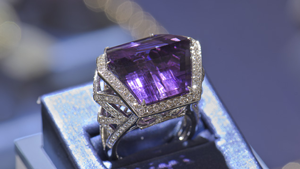
The essence of the color purple, amethyst is beautiful enough for crown jewels yet affordable enough for class rings.
Buyer's Guide
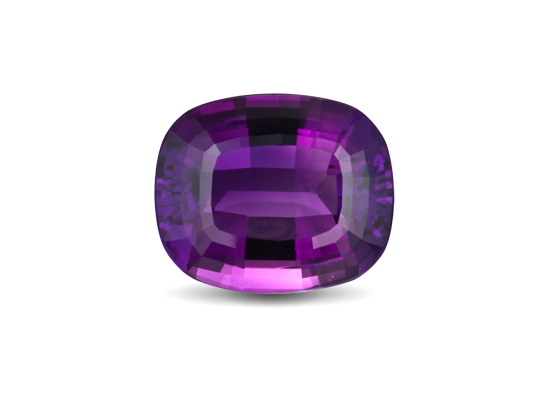
Amethyst’s major attribute is its rich velvety purple or reddish purple hue. Gems that display this color evenly—with no visible color zoning when viewed from above—are highly prized.
FIND A JEWELER
Use your zip code to find a jeweler near you with GIA reports and GIA-trained staff.
FIND A REPORT
Verify the information on your report matches what is archived in the GIA report database.
What To Look For
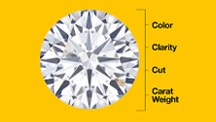
Color
The finest amethyst color is a strong reddish purple or purple, with no brownish or bronze-colored tints, or any noticeable color zoning when you look at the stone from the top. If the stone becomes too dark in tone, it might look black under dim lighting.
Clarity
Much of the faceted amethyst in the market is “eye clean,” meaning it lacks eye-visible inclusions. Gem professionals overlook minor inclusions when the gem is richly colored and otherwise high quality. Often this material is used for cabochons or carvings. Visible inclusions in pale pastel-colored gems reduce their value greatly.
Cut
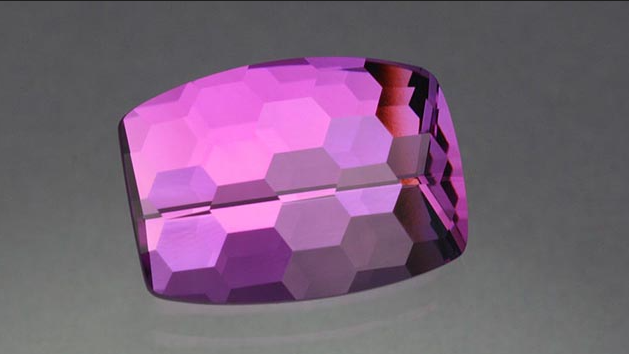
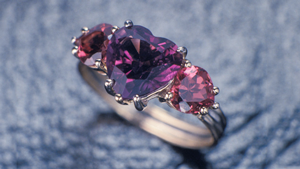
Amethyst is available in a wide variety of fancy shapes, including custom cuts. Most cutting styles are calibrated in standard millimeter sizes for use in mass-market jewelry.
Carat Weight
Amethyst in large sizes is not priced significantly more per carat than smaller sizes, making it a good choice for bold jewelry designs. Unlike some colored gems, small sizes can be strongly colored, making it easier to match sets of differently sized gems.
AMETHYST QUALITY FACTORS: THE COMPREHENSIVE GUIDE
TIPS & ADVICE
1. Understand the difference that color makes.
Look at different colors of amethyst side by side to understand the range of qualities available.
Pale colors are more affordable than strong reddish purple tones.
2. Don’t compromise on cut.
The quality of the cut can make a big difference in beauty and brilliance. Your amethyst should
sparkle in a lively way, reflecting light back evenly across the entire gem. Poorly cut gems are
much less marketable and sell at a discount.
3. Work with a jeweler you trust.
If it’s important to you that you are purchasing a natural amethyst, make sure you choose a
jeweler who has gemological knowledge and is experienced with this gem.
4. When in doubt, get a lab report.
For a significant purchase an independent laboratory report can confirm that the amethyst you
are buying is natural.
Questions & Answers
- Q
DOES IT MATTER WHERE AN AMETHYST IS MINED?
AAlthough jewelers might expect amethyst from Siberia or Zambia to have better color than amethyst from Brazil, origin alone does not add value to amethyst. Value is based on quality, and color is the most important value factor regardless of country of origin.
- Q
DOES GIA OFFER REPORTS FOR AMETHYST?
AGIA offers a Colored Stone Identification Report for amethyst, but it is not commonly requested because of the cost of the report compared to the value of most amethyst.
- Q
WHAT’S AAA-QUALITY AMETHYST?
AAlthough individual companies might create their own quality descriptions, like AAA, AA and A, to denote the range of quality of their goods, no standard quality-grading scales exist for amethyst.
- Q
IS IT OK TO HAVE AN AMETHYST ENGAGEMENT RING?
AAmethyst is appropriate for everyday wear, but its Mohs hardness of 7 means it will show wear over the years and may require repolishing. Today, consumers make unconventional engagement ring choices, choosing birthstones or other colored gemstones rather than diamond. It’s a personal choice.
Find out more
Caring for Your Amethyst
Keep your amethyst beautiful by following simple care and cleaning guidelines.
DURABILITY

CARE AND CLEANING