
DIY FLUORESCENCE TESTING GUIDE FOR RETAILERS
Fluorescence and phosphorescence can assist in revealing whether a gemstone is natural, laboratory-grown or treated. GIA developed this guide so retailers can use fluorescence tests to help identify gems right in their own stores. While not as diagnostic as advanced UV testing practiced by scientists, these methods can help retailers flag gems that need further evaluation at a gem laboratory like GIA. For retailers, better in-store screening means more informed conversations and peace of mind—for both you and your customers.
What You’ll Need:
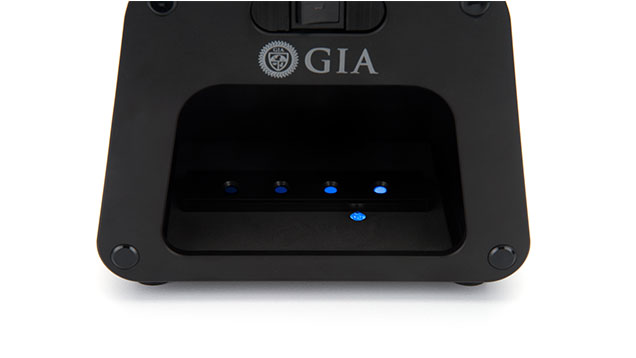
GIA MultiSpec Shortwave and Longwave UV Lamp with Viewing Cabinet Set : This set includes a viewing cabinet with both shortwave and longwave UV settings and a pair of safety spectacles to protect your eyes.
1. Compare Fluorescence Strength in Diamonds
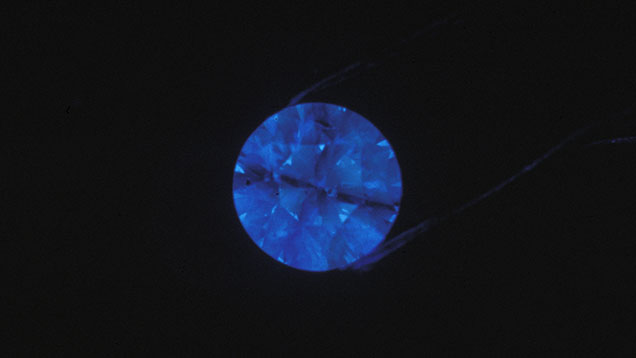
- How: Place diamond in UV cabinet. Observe under longwave UV (LWUV), then shortwave UV (SWUV). Compare response.
- What to Look For:
- Natural diamonds, if fluorescent, usually glows brighter under LWUV.
- Lab-grown diamonds often glow brighter under SWUV. - Why it helps: The difference in UV response can suggest whether the diamond is naturally grown or laboratory-grown.
2. Watch for Phosphorescence in Diamonds
- How: Expose diamond to SWUV for 10-30 seconds. Switch off and observe diamond in darkness.
- What to Look For: A lingering glow (phosphorescence) lasting seconds or minutes.
- Why it helps: Phosphorescence is rare in natural diamonds but common in HPHT lab-grown diamonds. Any phosphorescent stone should be referred to a gem lab. However, lack of phosphorescence doesn’t mean that a diamond is naturally grown.
3. Look for Fillers in Fracture-Filled Emeralds
- How: Observe gem under LWUV.
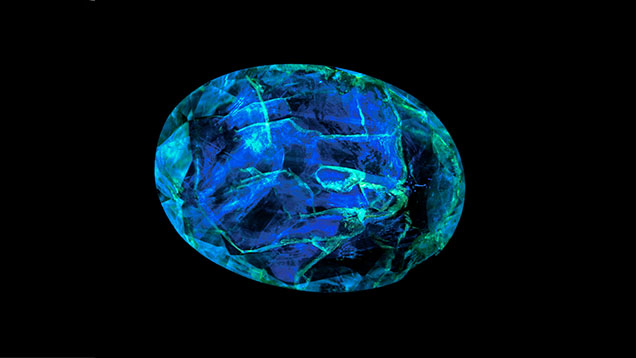
- What to Look For: Epoxy or oil fillers in emeralds often fluoresce a different color from the gem itself.
- Why it Helps: Filler detection affects disclosure and pricing.
4. Compare Fluorescence Strength in Rubies
- How: Observe ruby under SWUV (LWUV optional).
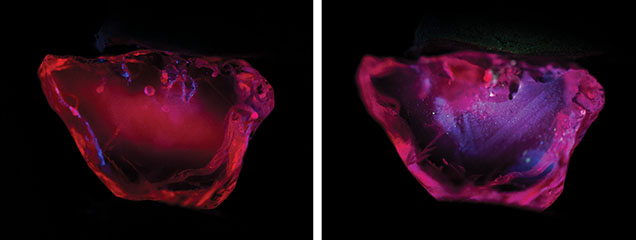
- What to Look For: Lab-grown rubies can display extreme fluorescence. They typically glow stronger than natural rubies.
Note: Some natural rubies from low-iron sources (like Myanmar) can also fluoresce strongly.
- Why it helps: Can indicate ruby is laboratory-grown—but should be confirmed with other tests.
5. Detect Chalky Blue Glow from Heat-Treated Corundum
- How: Observe gem under SWUV.
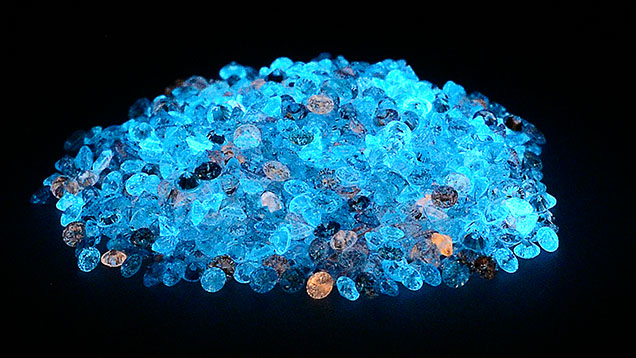
- What to Look For: A chalky blue glow.
- Why it helps: Indicates low-temperature heat treatment.
Note: Red fluorescence can mask this glow, and heat treatment doesn’t always produce chalky fluorescence (especially at lower temperatures), so gem may still be heat treated even if it doesn’t glow.
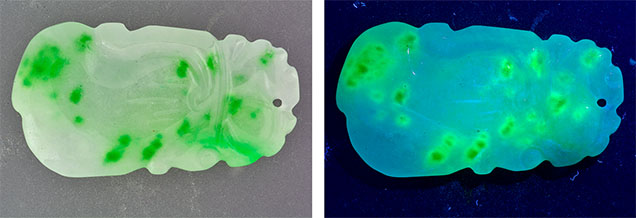
6. Test for Dye or Coating in Jadeite
- How: Observe jadeite under LWUV (SWUV optional).
- What to Look For:
- Untreated jadeite: usually shows no fluorescence.
- Treated jadeite: may fluoresce due to wax, dye or resin.
- Epoxy resin may show a weblike pattern under SWUV. - Why it helps: Useful for detecting common jade treatments.
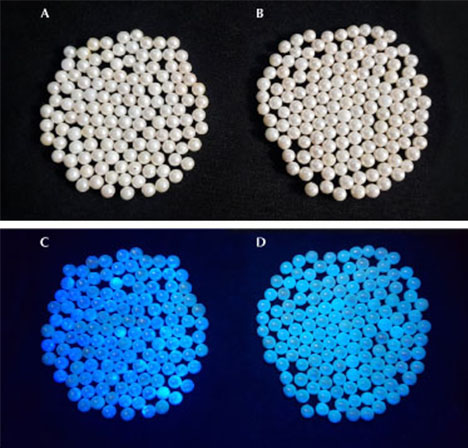
7. Screen Pearls for Optical Brighteners
- How: Observe pearl under LWUV.
- What to Look For: A strong bluish fluorescence.
- Why it helps: Can indicate optical brightening treatment, used to mask yellowish tones and increase luster. Optical brightening can fade over time.
SAFETY TIPS FOR UV TESTING
- Always wear UV-protective goggles and avoid prolonged exposure to skin.
- Never look directly into UV light.
- Document & Compare:
• Keep a reference set of known treated, natural, and synthetic stones for comparison.
• Use notes or photography to keep track of gem responses.
A HANDY TOOL—BUT NOT A FINAL DIAGNOSIS
This DIY fluorescence guide is a practical tool for in-store gem screening, helping retailers spot potential treatments or laboratory-grown gems quickly and with minimal equipment. However, fluorescence testing alone can’t provide definitive identification. These tests are just a fraction of the testing GIA scientists perform to determine gem identity, treatment, and origin. For conclusive results, further analysis by a gemological laboratory is essential.
As the world’s trusted authority in gem identification and grading, GIA offers the expertise, advanced instrumentation, and objectivity needed to deliver accurate, reliable results. Use this guide as a first step—and rely on GIA for the final word.
Learn more about GIA Report Services .
DIY FLUORESCENCE TESTING GUIDE FOR RETAILERS
Fluorescence and phosphorescence can assist in revealing whether a gemstone is natural, laboratory-grown or treated. GIA developed this guide so retailers can use fluorescence tests to help identify gems right in their own stores. While not as diagnostic as advanced UV testing practiced by scientists, these methods can help retailers flag gems that need further evaluation at a gem laboratory like GIA. For retailers, better in-store screening means more informed conversations and peace of mind—for both you and your customers.
What You’ll Need:
GIA MultiSpec Shortwave and Longwave UV Lamp with Viewing Cabinet Set : This set includes a viewing cabinet with both shortwave and longwave UV settings and a pair of safety spectacles to protect your eyes.
1. Compare Fluorescence Strength in Diamonds
- How: Place diamond in UV cabinet. Observe under longwave UV (LWUV), then shortwave UV (SWUV). Compare response.
- What to Look For:
- Natural diamonds, if fluorescent, usually glows brighter under LWUV.
- Lab-grown diamonds often glow brighter under SWUV. - Why it helps: The difference in UV response can suggest whether the diamond is naturally grown or laboratory-grown.
2. Watch for Phosphorescence in Diamonds
- How: Expose diamond to SWUV for 10-30 seconds. Switch off and observe diamond in darkness.
- What to Look For: A lingering glow (phosphorescence) lasting seconds or minutes.
- Why it helps: Phosphorescence is rare in natural diamonds but common in HPHT lab-grown diamonds. Any phosphorescent stone should be referred to a gem lab. However, lack of phosphorescence doesn’t mean that a diamond is naturally grown.
3. Look for Fillers in Fracture-Filled Emeralds
- How: Observe gem under LWUV.
- What to Look For: Epoxy or oil fillers in emeralds often fluoresce a different color from the gem itself.
- Why it Helps: Filler detection affects disclosure and pricing.
4. Compare Fluorescence Strength in Rubies
- How: Observe ruby under SWUV (LWUV optional).
- What to Look For: Lab-grown rubies can display extreme fluorescence. They typically glow stronger than natural rubies.
Note: Some natural rubies from low-iron sources (like Myanmar) can also fluoresce strongly.
- Why it helps: Can indicate ruby is laboratory-grown—but should be confirmed with other tests.
5. Detect Chalky Blue Glow from Heat-Treated Corundum
- How: Observe gem under SWUV.
- What to Look For: A chalky blue glow.
- Why it helps: Indicates low-temperature heat treatment.
Note: Red fluorescence can mask this glow, and heat treatment doesn’t always produce chalky fluorescence (especially at lower temperatures), so gem may still be heat treated even if it doesn’t glow.
6. Test for Dye or Coating in Jadeite
- How: Observe jadeite under LWUV (SWUV optional).
- What to Look For:
- Untreated jadeite: usually shows no fluorescence.
- Treated jadeite: may fluoresce due to wax, dye or resin.
- Epoxy resin may show a weblike pattern under SWUV. - Why it helps: Useful for detecting common jade treatments.
7. Screen Pearls for Optical Brighteners
- How: Observe pearl under LWUV.
- What to Look For: A strong bluish fluorescence.
- Why it helps: Can indicate optical brightening treatment, used to mask yellowish tones and increase luster. Optical brightening can fade over time.
SAFETY TIPS FOR UV TESTING
- Always wear UV-protective goggles and avoid prolonged exposure to skin.
- Never look directly into UV light.
- Document & Compare:
• Keep a reference set of known treated, natural, and synthetic stones for comparison.
• Use notes or photography to keep track of gem responses.
A HANDY TOOL—BUT NOT A FINAL DIAGNOSIS
This DIY fluorescence guide is a practical tool for in-store gem screening, helping retailers spot potential treatments or laboratory-grown gems quickly and with minimal equipment. However, fluorescence testing alone can’t provide definitive identification. These tests are just a fraction of the testing GIA scientists perform to determine gem identity, treatment, and origin. For conclusive results, further analysis by a gemological laboratory is essential.
As the world’s trusted authority in gem identification and grading, GIA offers the expertise, advanced instrumentation, and objectivity needed to deliver accurate, reliable results. Use this guide as a first step—and rely on GIA for the final word.
Learn more about GIA Report Services .