
GIA 研究

GIA 拥有世界知名的实地宝石学团队,致力于直接从源头采集彩色宝石,提供业内最全面的研究成果,我们对此深感自豪。

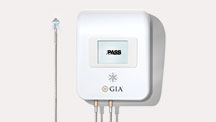
我们的前沿研究为钻石和宝石报告的标准奠定了坚实的科学基础。同时有助 GIA 开发创新仪器,培养未来的宝石学家和行业领袖。最重要的是,我们的研究有助于保护全球的消费者。进一步了解我们的工作

申请 GIA Liddicoat 博士后奖学金项目

研究内容

Diamond’s remarkable potential has spurred the rapid evolution of laboratory-grown gem-quality diamonds in the last 20 years.

钻石研究


了解有关 GIA 研究团队最新钻石研究和发展的更多信息。

更多
GIA 研究

钻石研究

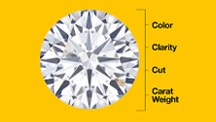
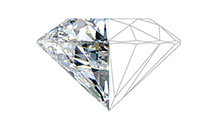
获取 GIA 研究团队最新研究的详细信息,包括:天然钻石地质和开采地点、颜色和光学特征的成因、实验室培育钻石研究、为我们的钻石鉴定报告提供信息的各种切工和颜色研究,以及所使用的先进仪器。

探索钻石研究

Diamond’s remarkable potential has spurred the rapid evolution of laboratory-grown gem-quality diamonds in the last 20 years.

阅读详细内容
Colored Stone

彩色宝石研究


了解有关 GIA 研究团队最新彩色宝石研究和发展的更多信息。

更多
GIA 研究

彩色宝石研究

获取有关 GIA 研究团队最新彩色宝石研究的详细信息,包括:产地及相关传说、知识和可追溯性;显微摄影;处理和鉴定;以及宝石形成的宝石学。

探索彩色宝石研究

Colored Stone

阅读详细内容
Pearl Research

珍珠研究


了解有关 GIA 研究团队最新珍珠研究和发展的更多信息。

更多
GIA 研究

珍珠研究

获取 GIA 研究团队最新珍珠研究的详细信息,包括:天然珍珠和养殖珍珠的鉴定、颜色处理和工艺、先进和非常规的珍珠检测技术,以及结构分析和生物矿化。

探索珍珠研究

Pearl Research

阅读详细内容
An array of rough and polished colored gemstones sitting on a world map.

出版物


GIA 鉴定所科学家分享他们对一些世界上最珍贵的宝石及其处理方式的研究发现。

更多
GIA 研究

出版物

从契沃尔祖母绿矿区的历史到古代玉雕工艺,再到刚玉成色的原因分析,这些文章将科学与艺术和历史相结合,深入洞察迷人而复杂的宝石世界。GIA 鉴定所科学家的最新研究发现均发表在经同行评审的 GIA 学术期刊《宝石与宝石学》(Gems & Gemology) 或其他专业期刊上。

浏览 GIA 出版物

An array of rough and polished colored gemstones sitting on a world map.

阅读一些世界上最珍贵的宝石,以及特殊宝石处理方式鉴定和罕见宝石材料的相关刊物。

阅读详细内容
Hands holding rough tsavorite in the field

实地宝石学


GIA 实地宝石学家在世界各地研究新的宝石产地,并收集研究样本。
 

更多
GIA 研究

实地宝石学

GIA 实地宝石学家是环球旅行者,他们前往世界的各个角落,研究新的宝石产地,例如:纳萨拉瓦州的海蓝宝石、莫桑比克的红宝石。过去十年,GIA 实地宝石学家在 21 个国家进行了 95 次实地考察,收集的样品总重超过 100 万克拉。 

探索实地宝石学相关文章

Hands holding rough tsavorite in the field

您是否对手工采矿、宝石形成的条件,以及宝石学家判定宝石原产国的方法感到好奇?

阅读详细内容
Researcher using a XRF spectrometer.

科学设备和技术


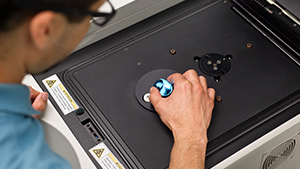
了解 GIA 鉴定所鉴定和评估宝石所使用的先进仪器。
 

更多
GIA 研究

科学设备和技术

随着新的宝石及宝石产地的发现,人们越来越需要宝石原产地鉴定服务。而随着实验室制造宝石和经处理的宝石越来越受欢迎,鉴定评估宝石时,宝石学家越来越依赖各种先进仪器。 从手持放大镜到显微镜,再到激光剥蚀电感耦合等离子体质谱仪 ,每种仪器都为解答宝石类型、可能的处理方式和原产地提供了相应支持。

了解 GIA 的行业工具

Researcher using a XRF spectrometer.

GIA 的研究人员、开发人员和创新者每天都在努力寻找用于识别复杂宝石材料和处理手段的解决方案。

阅读详细内容

带来变革和启发的研究

Placeholder Alt Text

近期研究

Figure 1. The 2.33 ct Winston Red diamond, displaying a vibrant Fancy red color. The old mine brilliant-cut stone measures approximately 8 mm in diameter. Photo by Robert Weldon; courtesy of Ronald Winston.

A Study of the Winston Red: The Smithsonian’s New Fancy Red Diamond

阅读文章

Figure 11. Double-strand natural saltwater pearl necklace. Photo by Robert Weldon; courtesy of Karmshil Enterprise. Alexandrite exposed to incandescent illumination (left, red) and daylight-equivalent illumination (right, green). Photos by Robert Weldon; courtesy of GIA’s Dr. Edward J. Gübelin collection, no. 33805. Ring containing a CVD-grown diamond. Photo by Johnny Leung.

Classification of Gem Materials Using Machine Learning

阅读文章

Figure 1. Oval-, pear-, and marquise-shaped diamonds show more complex appearance patterns than standard round brilliants. Photos by Jian Xin (Jae) Liao.

Observations of Oval-, Pear-, and Marquise-Shaped Diamonds: Implications for Fancy Cut Grading

阅读文章

Figure 1. This 10.02 ct E-color, VS1-clarity emerald-cut diamond is an example of the great strides made in HPHT growth technology in the past two decades, as laboratory-grown diamonds have become an important sector of the gem diamond market. Photo by Johnny Leung. The as-grown CVD diamond plate (1.24 ct, 8.41 × 8.60 × 1.26 mm) was manufactured by GIA at its New Jersey research facility. Photo by Adrian Chan.

Laboratory-Grown Diamonds: An Update on Identification and Products Evaluated at GIA

阅读文章

Figure 1. Suite of faceted nickel-diffused spinel (0.67–1.01 ct) showing a range of color from blue to bluish green. Photo by Aaron Palke and Diego Sanchez.

Color Modification of Spinel by Nickel Diffusion: A New Treatment

阅读文章