
Rose Quartz
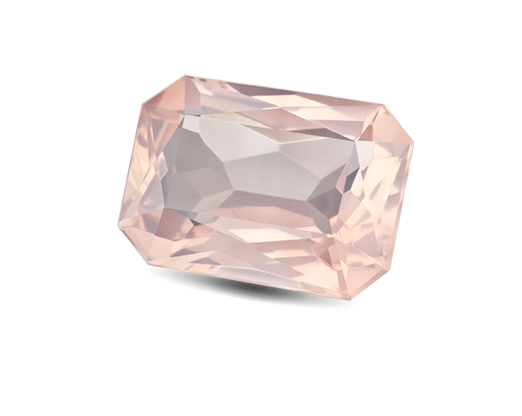
Rose quartz is a quartz variety that gets its name from its delicate pink color.
OVERVIEW
ABOUT ROSE QUARTZ
.jpg "About Rose Quartz")
The color of rose quartz ranges from very light pink (almost white) to medium-dark pink. The most appealing color typically occurs in larger sizes; small rose quartz specimens with good color tend to be scarce. Rose quartz is usually found in massive form, so well-shaped crystals are highly prized.
BIRTHSTONES & ANNIVERSARIES
Rose quartz has been recognized as the gem that commemorates the fifth wedding anniversary.
DELICATE COLOR
The deepest colors often occur in large sizes; small specimens with good color are rare.
TRANSLUCENCE
Microscopic mineral inclusions give this pastel gem a cloudy translucence.
Six-pointed star
When rose quartz contains small, well oriented inclusions, it can sometimes show asterism.
Facts
Mineral: Quartz
Chemical composition: SiO₂
Color: Very light pink to medium-dark pink
Refractive index: 1.544 to 1.553
Specific gravity: 2.66 (+0.03/-0.02)
Mohs hardness: 7
TREATMENTS
There are a number of processes used to alter the color, apparent clarity, or improve the durability of gems.
SYNTHETICS
Some gemstones have synthetic counterparts that have essentially the same chemical, physical, and optical properties, but are grown by man in a laboratory.
IMITATIONS
Any gem can be imitated—sometimes by manmade materials or by natural materials chosen by man to impersonate a particular gem.
WHY WE LOVE THIS GEMSTONE
.png "gem love")
1
DELICATE COLOR
The most appealing color typically occurs in larger sizes. Small specimens generally display lighter shades of pink.
2
PHENOMENAL
When rose quartz contains numerous small inclusions, it can show a cat’s-eye or the more common star effect.
3
CARVINGS
Rose quartz has been popular with gem carvers for producing figurines and other small decorative objects.
QUALITY FACTORS
The following factors combine to determine rose quartz value.
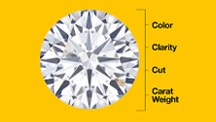
COLOR
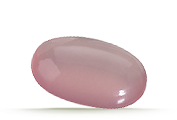
Rose quartz comes in a range of delicate shades, from very light to medium-dark pink.
CLARITY
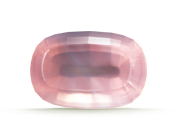
Rose quartz owes its cloudy translucence to microscopic mineral inclusions.
CUT
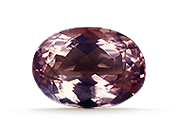
Transparent material is usually faceted; translucent material is cabochon-cut or carved.
CARAT WEIGHT
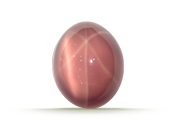
Gem size makes a difference: Large gems generally show the most intense pink shades.
ROSE QUARTZ QUALITY FACTORS: THE COMPREHENSIVE GUIDE
Recommended Reading
Colored Gemstones: The Antoinette Matlins Buying Guide
Antoinette L. Matlins
Quartz
Michael O’Donoghue
Collector's Guide to Quartz and other Silica Minerals
R. J. Lauf