
◂ BACK TO GEM ENCYCLOPEDIA
Pearl
Perfect shining spheres. Lustrous baroque forms. Seductive strands, warm to the touch. Pearls are simply and purely organic.

See Gem As
Tools
Research
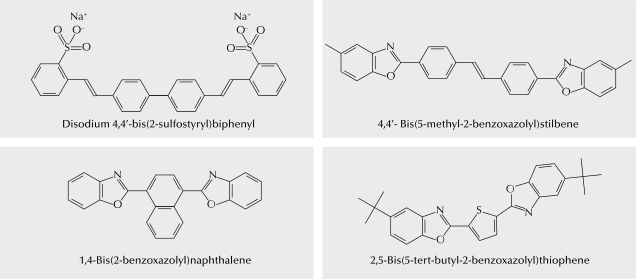
Optical Whitening and Brightening of Pearls: A Fluorescence Spectroscopy Study
Presents a study that suggests optically brightened pearls can be consistently separated from non-brightened pearls using fluorescence spectroscopy.
Vietnam: Shell nuclei, pearl hatcheries, and pearl farming
Sturman N., Lawanwong K., Kitdee N., Chodhry D. (2020) Vietnam: Shell nuclei, pearl hatcheries, and pearl farming. Gems & Gemology, Vol. 56, No. 3, pp. 402-415.
Optical whitening and brightening of pearls: A fluorescence spectroscopy study
Zhou C.H., Tsai T.H., Sturman N., Nilpetploy N., Manustrong A., Lawanwong K. (2020) Optical whitening and brightening of pearls: A fluorescence spectroscopy study. Gems & Gemology, Vol. 56, No. 2, pp. 258-265.
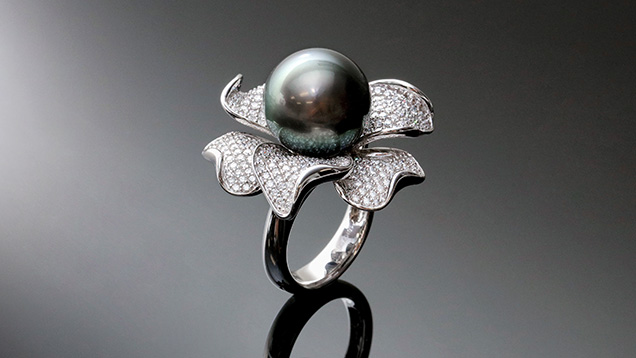
“Electronic Device” in an Atypical Bead Cultured Pearl
GIA’s Hong Kong laboratory looks at a new radio-frequency identification (RFID) technology for tracking cultured pearls.
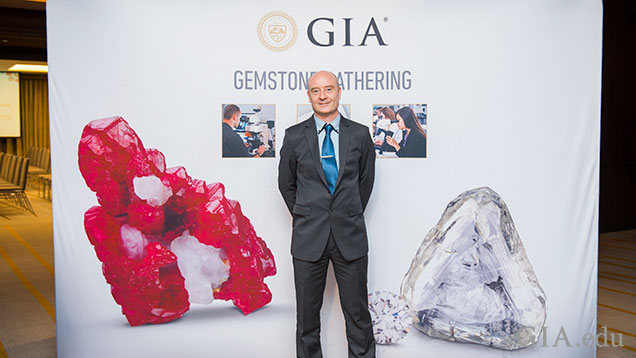
The ABCs of Pearls Reveal Fascinating Aspects of Gems from the Deep
“The A-Z of Pearls,” with at least one pearl-related subject for each letter of the alphabet, was presented in Thailand recently.

Gemstones in the Era of the Taj Mahal and the Mughals
A look at the gem ornamentation of this landmark, as well as the jewels of the Mughal dynasty.
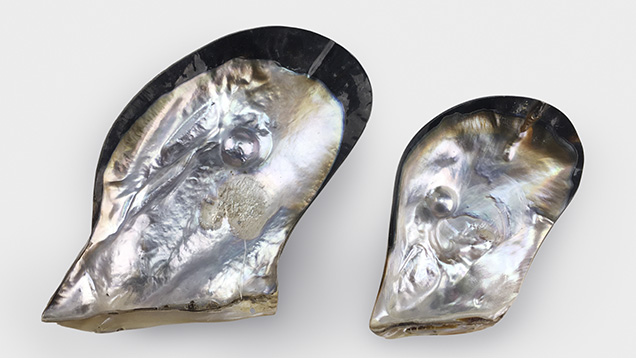
Effects of Mollusk Size on Growth and Color of Cultured Half-Pearls from Phuket, Thailand
Determines methods for maximizing production and quality of cultured half-pearls.
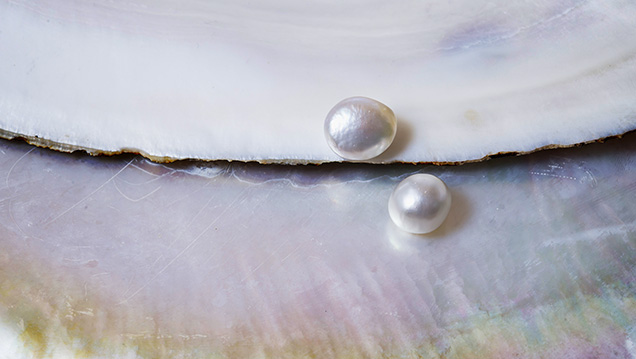
A Pearl Identification Challenge
Two pearls presented a unique challenge, as testing at three different gemological laboratories could not conclusively identify them as natural or cultured, determine a freshwater or saltwater growth environment, or specify the producing mollusk.
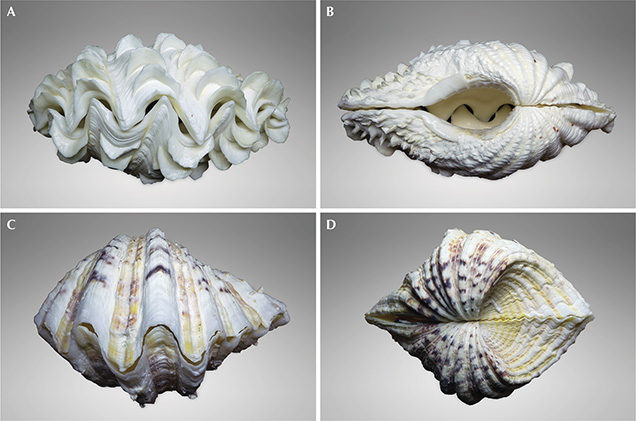
Evidence of Rotation in Flame-Structure Pearls from Bivalves of the Tridacnidae Family
A study of these pearls to characterize their distinctive flame structure and examine the possibility of rotation during their formation or growth.
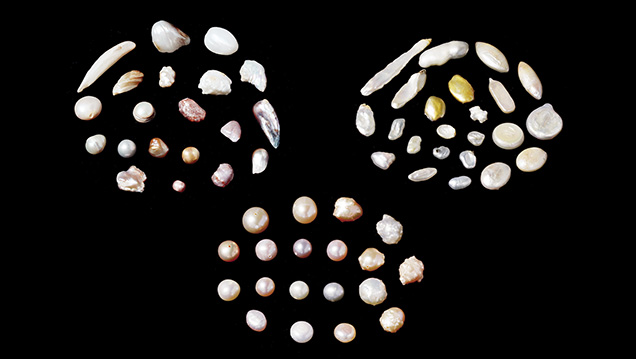
Provenance Discrimination of Freshwater Pearls by LA-ICP-MS and Linear Discriminant Analysis (LDA)
Investigates trace-element chemistry of freshwater natural pearls from North America and China with LA-ICP-MS and uses LDA to identify their origins.
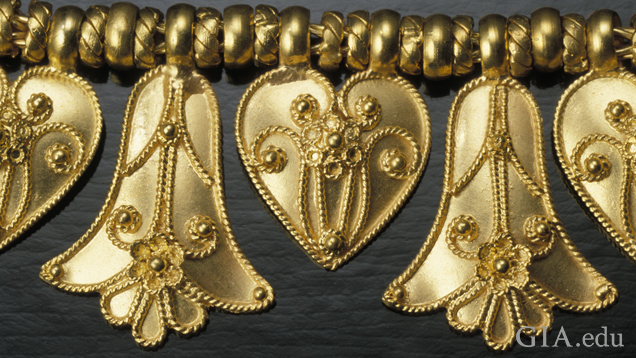
A New Life for Revival Jewelry Styles: Archaeological, Renaissance and Egyptian
Revival jewelry is inspired from the past – and connects us to the rich history of our civilization.
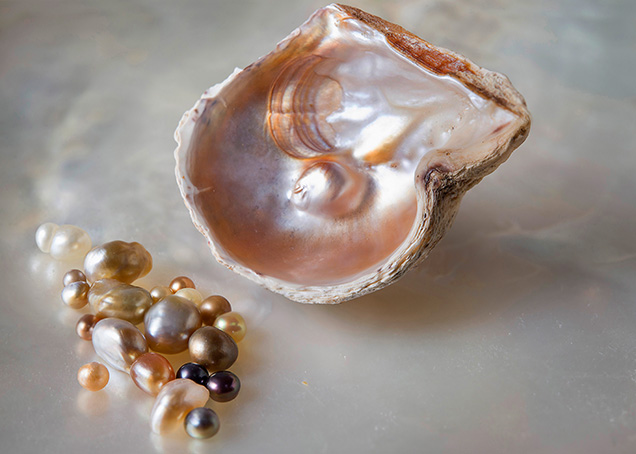
The Gemological Characteristics of Pipi Pearls Reportedly from Pinctada maculata
Reveals the internal features and spectroscopic data of these small natural pearls and offers the means of separating them from pearls of related mollusk species.