
Research Article Search Results
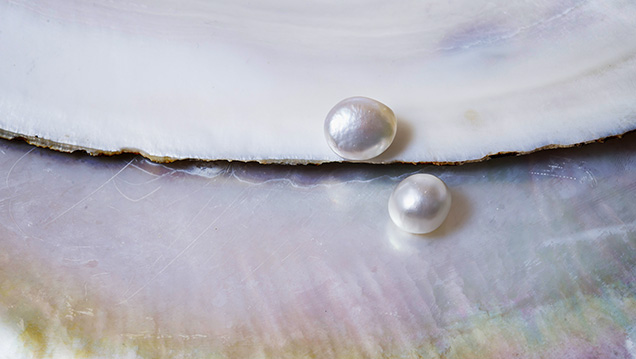
A Pearl Identification Challenge
Two pearls presented a unique challenge, as testing at three different gemological laboratories could not conclusively identify them as natural or cultured, determine a freshwater or saltwater growth environment, or specify the producing mollusk.
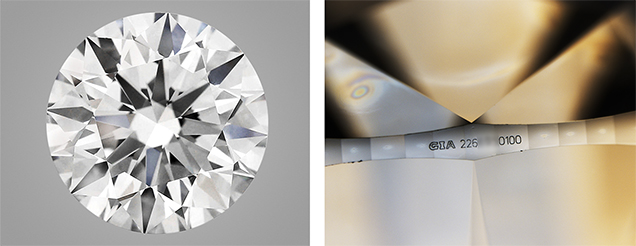
HPHT-Processed Diamond Fraudulently Represented as Untreated
An HPHT-treated round brilliant diamond with an inscription that presents as a GIA report number is found to be inconsistent with the institute's report, previously issued for an untreated diamond.
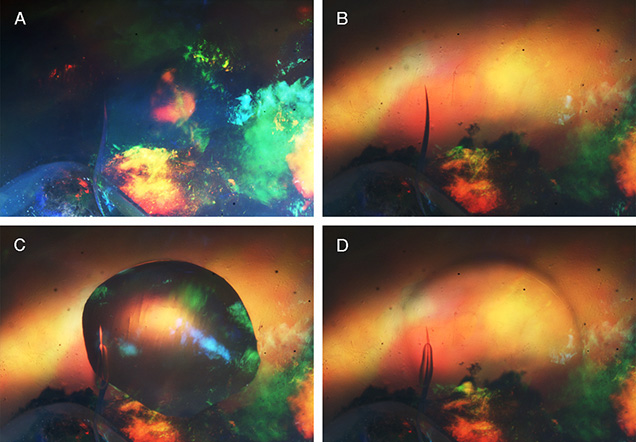
A Useful Technique to Confirm the Hydrophane Nature of Opal
Observing a water drop’s interaction with opal, as well as refractive index, can confirm a specimen’s hydrophane nature with less risk of breakage than total immersion.
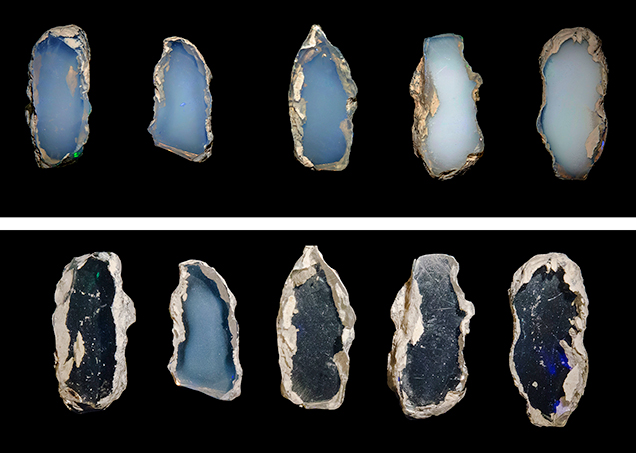
Hydrophane Opal Treatment
An opal rough is immersed in water and treated with oil and Opticon to observe effects on transparency and play-of-color.

Gemological Characteristics of Saltwater Cultured Pearls Produced After Xenotransplantation
X-ray Computed Microtomography: Distinguishing Natural Pearls from Beaded and Non-Beaded Cultured Pearls
The distinction of natural from cultured pearls traditionally has been based on X-radiography.
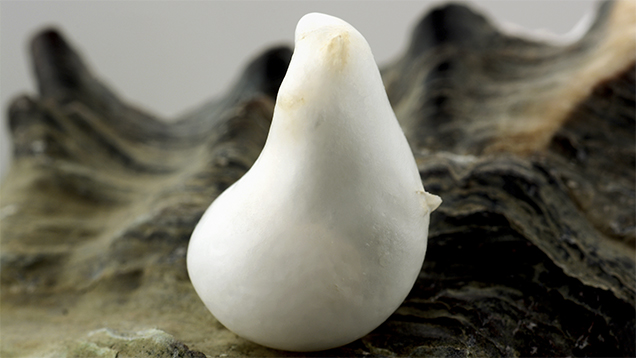
15.53 ct Pearl Discovered in Edible Oyster from the Ostreidae Family
A large natural pearl discovered in an edible oyster offers insight to the scientific pearl community.
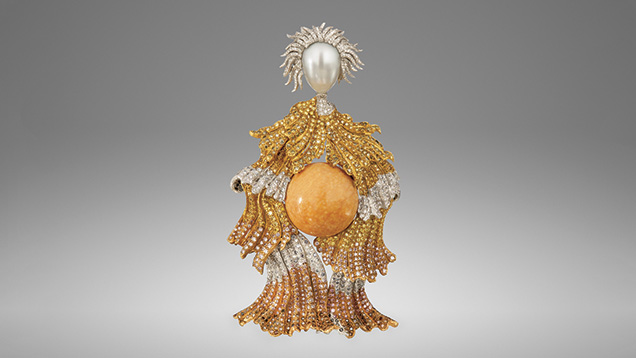
“Gran Dama” Brooch Featuring Large Melo Pearl
The centerpiece of this brooch is a 98.67 ct Melo pearl, believed to be one of the world's largest.
Faceting Transparent Rhodonite from Broken Hill, New South Wales, Australia
Transparent rhodonite is considered one of the most difficult of all gems to facet because of its perfect cleavage and brittle, uneven fracture.
Color Grading of Colored Diamonds in the GIA Gem Trade Laboratory

Fire Obsidian’s Beguiling Spectrum
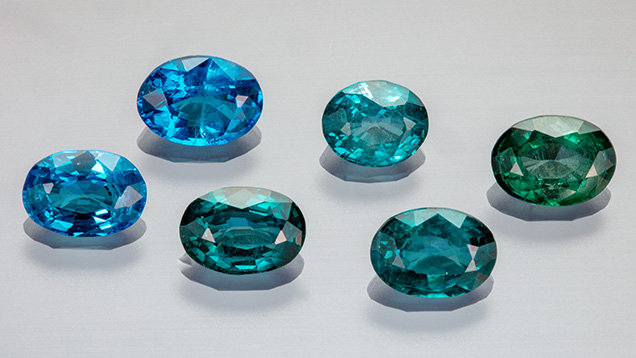
Color Modification of Spinel by Nickel Diffusion: A New Treatment
Reports on a newly discovered treatment process for producing a deep blue color in natural spinel and proposes identification criteria.