
Research Article Search Results
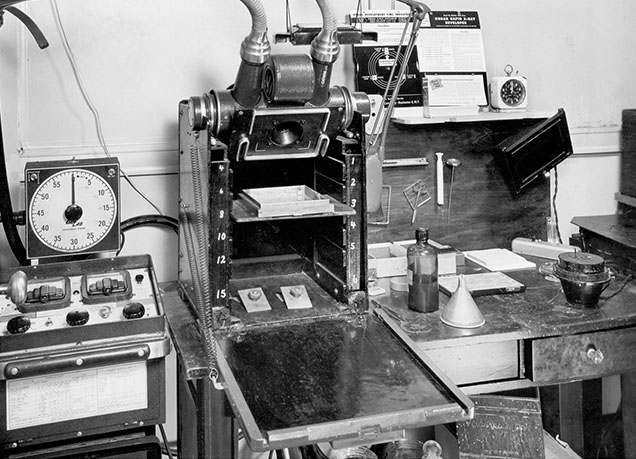
Applications of X-Ray Radiography and X-Ray Computed Microtomography in Gemology
X-ray imaging techniques revolutionized pearl testing by enabling gemologists to distinguish natural from cultured pearls through detailed visualization of their internal structures, evolving from film-based systems in the early 1900s to today’s sophisticated digital equipment.
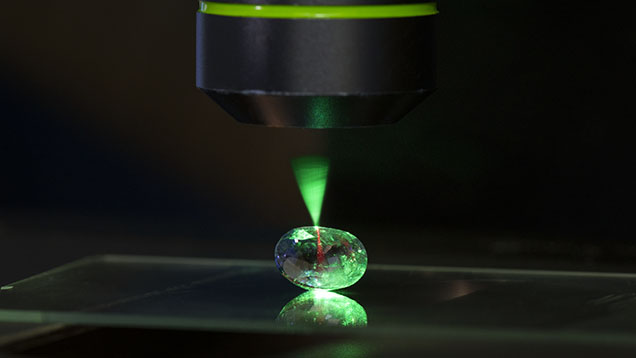
Shining a Light on Gemstone Properties: An Exploration of Photoluminescence Spectroscopy
Photoluminescence spectroscopy examines how gemstones absorb and emit light, uncovering crucial details about their identity and color origin through the detection of microscopic defects and impurities.
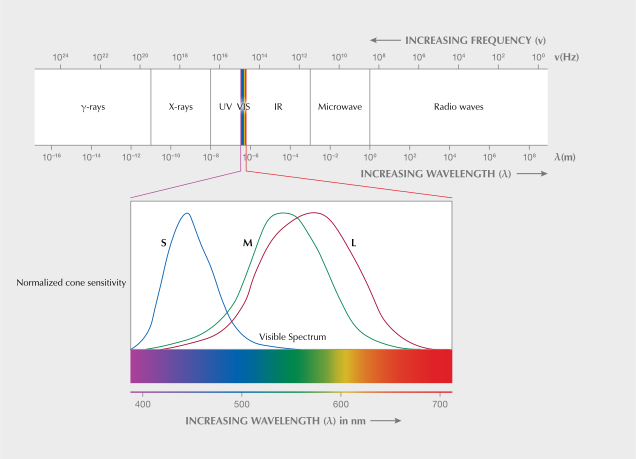
Application of UV-Vis-NIR Spectroscopy to Gemology
UV-Vis-NIR spectroscopy measures how gemstones absorb and interact with light across the ultraviolet, visible, and near-infrared ranges, revealing crucial information about their composition, origin, and potential treatments.
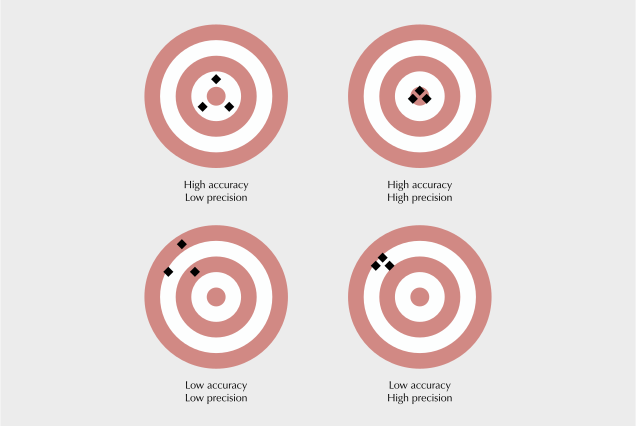
Metrology at GIA
GIA ensures accurate gemological measurements across its global laboratories through rigorous metrology practices, including systematic instrument calibration, validation from traceable standards, and continuous monitoring by trained staff to maintain precision and consistency.
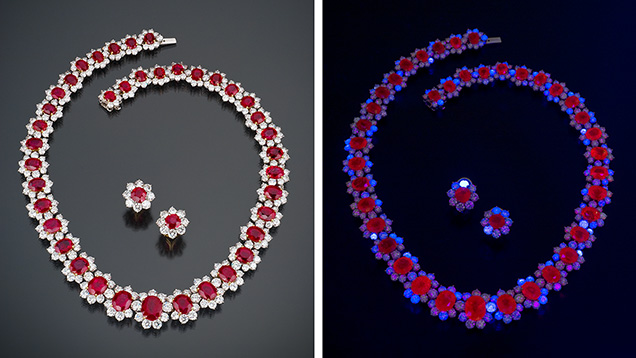
Glowing Gems: Fluorescence and Phosphorescence of Diamonds, Colored Stones, and Pearls
Photoluminescence imaging, which analyzes how gemstones glow under ultraviolet light, is an important analytical tool for detecting impurities, natural versus synthetic gems, and treatments through the observation of fluorescence and phosphorescence patterns.
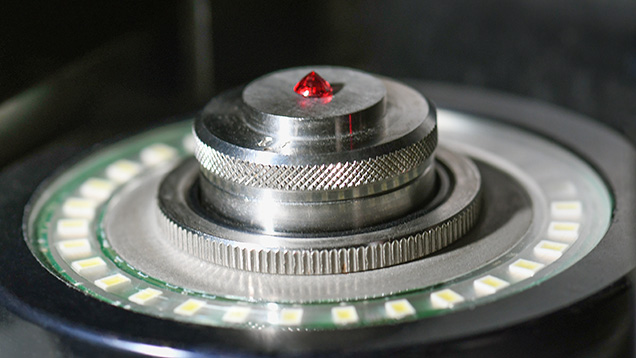
Analysis of Gemstones at GIA Laboratories
GIA’s laboratories use advanced instrumentation and research to deliver accurate grading, identification, and origin determination for natural and laboratory-grown diamonds, colored stones, and pearls.
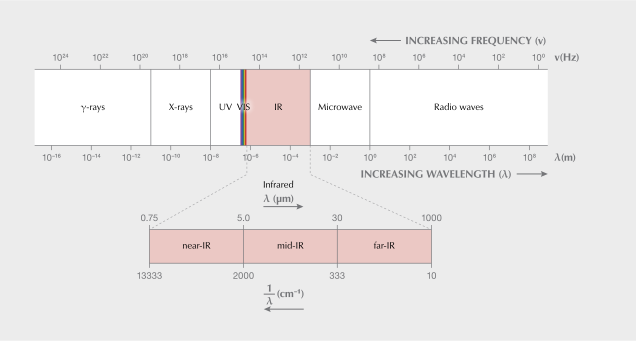
Infrared Spectroscopy and Its Use in Gemology
Infrared spectroscopy, specifically FTIR analysis, measures atomic vibrations to determine identity, cause of color, and potential treatments by analyzing how a gemstone absorbs infrared light.
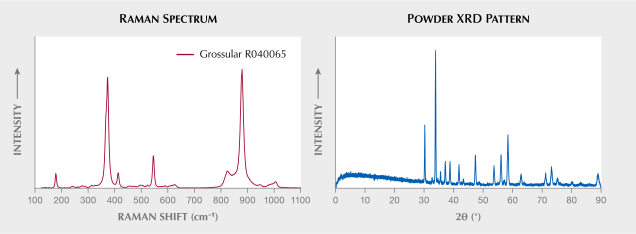
Raman Spectroscopy and X-Ray Diffraction: Phase Identification of Gem Minerals and Other Species
Raman spectroscopy and XRD techniques are used to identify gemstone species through their atomic-scale structures, with Raman spectroscopy analyzing inelastic light scattering from crystal lattice vibrations and XRD examining X-ray interference patterns from atomic layers.
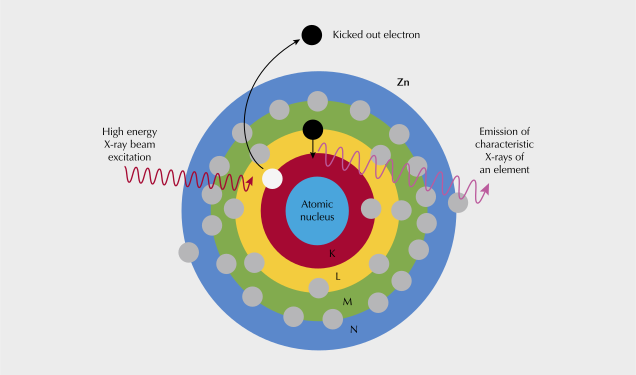
Chemical Analysis in the Gemological Laboratory: XRF and LA-ICP-MS
The primary chemical analysis methods applied in gemology are XRF, which uses X-ray emissions for nondestructive testing, and LA-ICP-MS, which provides detailed analysis and greater sensitivity. LA-ICP-MS has become essential for origin determination and treatment detection.
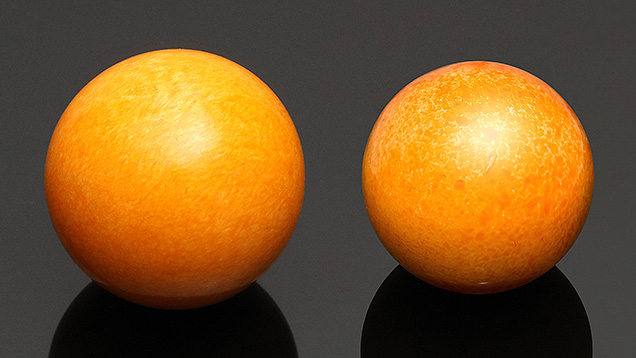
Two Imitation Melo Pearls
GIA’s Hong Kong and Bangkok laboratories report on imitation pearls with a striking resemblance to natural Melo pearls.
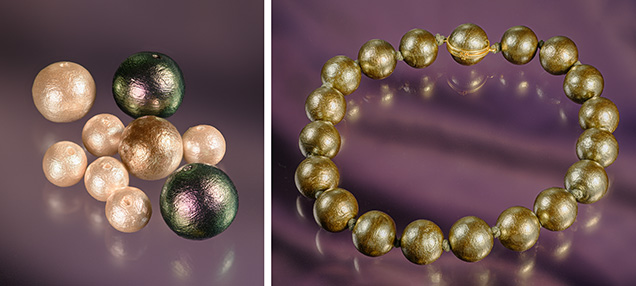
“Cotton Pearl” Imitations
An in-depth look at a new pearl simulant gaining popularity in the fashion jewelry market.
Hedenbergite in Quartz
Examination of polished quartz samples reveals crystal inclusions identified as hedenbergite and sphalerite.