
Research Article Search Results
Optical Defects in Diamond: A Quick Reference Chart
A simple chart on optical defects in diamond, including those that produce coloration and fluorescence colors.
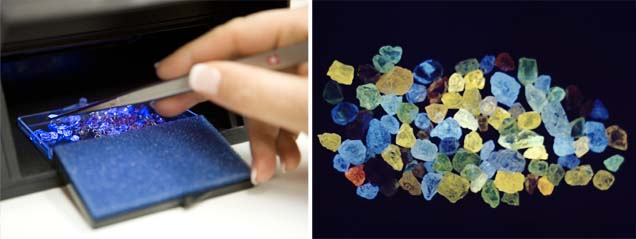
Fluorescence Produced by Optical Defects in Diamond
How variations in UV lamp output can affect observed fluorescence color and intensity.
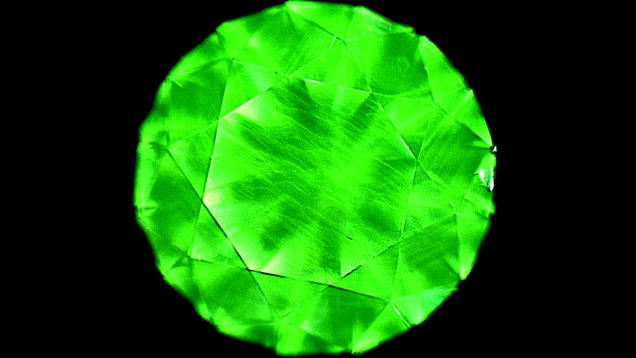
CVD-Grown Synthetic Diamonds, Part 3: Detection
CVD synthetic diamonds are readily detected in a gem laboratory, in specimens of any size or color.
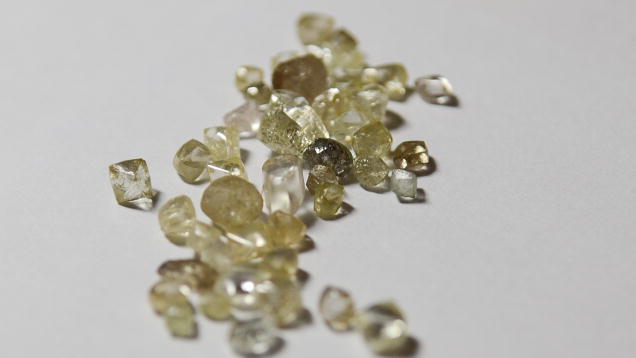
Diamond Mining in Minas Gerais, Brazil
A first-person account of diamond mining in Minas Gerais, Brazil, which has been a source since the early 1700s.
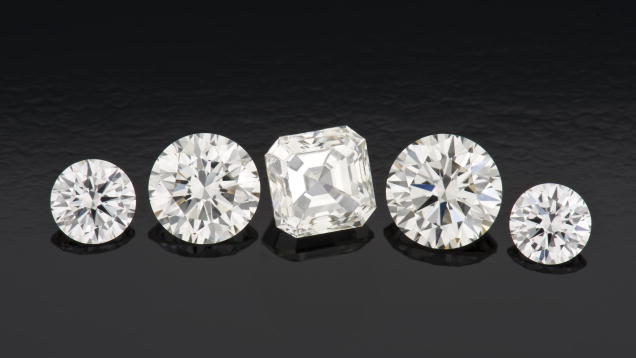
CVD-Grown Synthetic Diamonds, Part 2: Properties
The physical properties of CVD synthetic diamond fall well within the range for natural diamonds in terms of hardness, thermal conductivity, strength, and so forth. Therefore, CVD synthetics are as hard and durable as natural diamond and display the same brilliance and fire when cut as a gemstone.
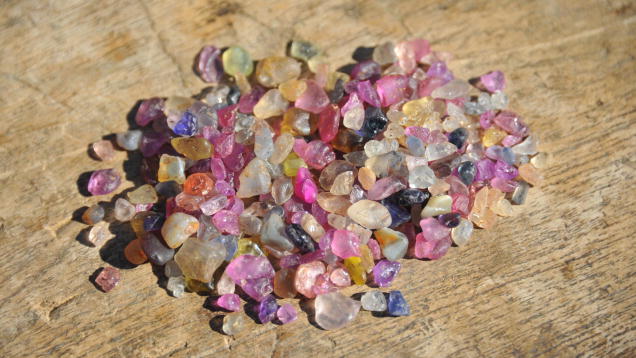
Update on Sapphire Mining in Ilakaka-Sakaraha, Madagascar
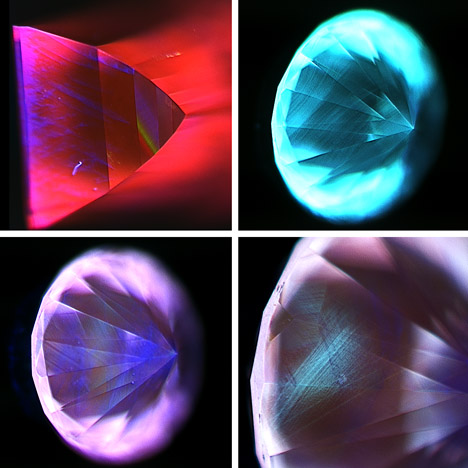
Three CVD Synthetic Diamonds Submitted to Mumbai Laboratory
The gemological and spectroscopic characteristics of these type IIa synthetic diamonds suggested that they experienced different growth and/or treatment histories.
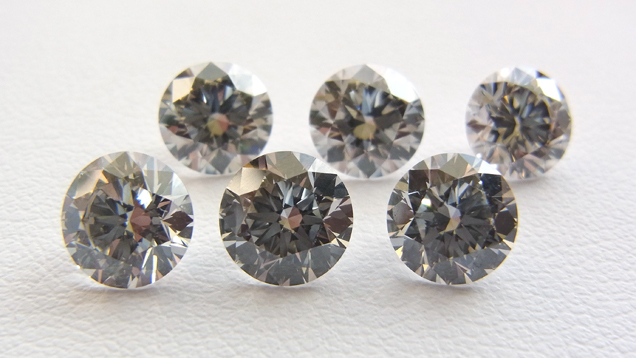
Undisclosed Samples of Large CVD Synthetic Diamond
In mid-2012, one of the international diamond grading laboratories in Antwerp reported undisclosed CVD synthetic diamonds, causing a stir in the diamond industry.
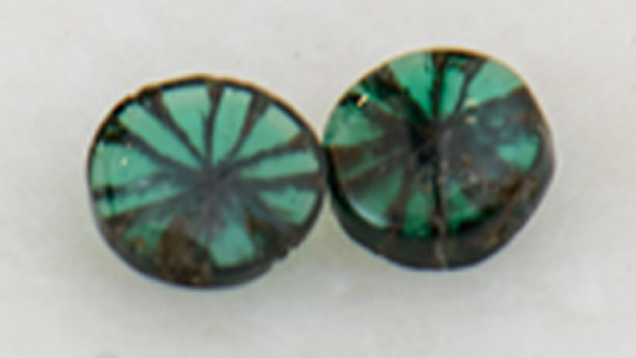
Rare Double-Trapiche Emerald
At the AGTA show, Equatorian Imports showed this contributor two pieces of emerald with a very rare double-trapiche pattern
Natural Pearls from Australian Pinctada Maxima
Explores the fascinating history of natural pearling in Australian waters and examines the properties that might help distinguish these natural pearls from those that are accidentally produced during the culturing process.
Winter 2012 Gem News International
Spectral Characteristics of Natural-Color Saltwater Cultured Pearls from Pinctada Maxima
Natural-color saltwater cultured pearls (SWCPs) from Pinctada maxima were studied using UV-Vis-NIR and PL spectroscopy to better understand the mechanisms of their coloration and to separate them from other SWCPs with similar natural colors.