
Research Article Search Results
Pyrope-Almandine Garnet in Sapphire Host
The Bangkok laboratory recently identified a pyrope-almandine garnet in a sapphire host.

Purple Fluorite Inclusion in Emerald from Russia
Fluorite inclusions in emeralds from various localities have been reported extensively in the literature.

Curved Banding in Flame-Fusion Synthetic Sapphires
The appearance of curved banding under short-wave UV easily identifies flame-fusion synthetic sapphire.

Mexican Opal with Large Fluid Inclusion
Although opals generally contain water in their structure, fluid inclusions large enough to be resolved with the microscope are rare; those that can be seen with the unaided eye are exceedingly rare.

Helical Inclusion in Colombian Emerald
A 7.54 ct natural emerald containing a 3D helical inclusion is examined by the Tokyo laboratory.

Inclusion-Rich Black Topaz from the Thomas Mountains, Utah
Topaz is an important gemstone that occurs in various colors.
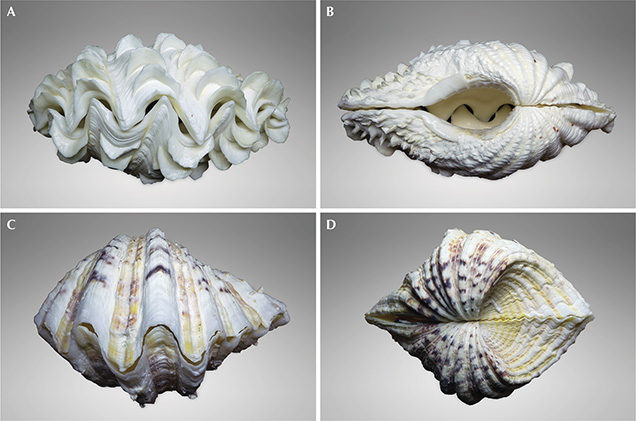
Evidence of Rotation in Flame-Structure Pearls from Bivalves of the Tridacnidae Family
A study of these pearls to characterize their distinctive flame structure and examine the possibility of rotation during their formation or growth.
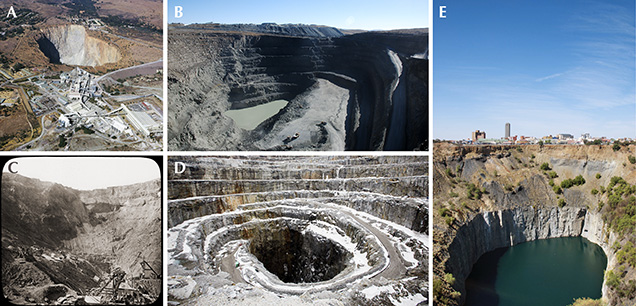
Kimberlites: Earth’s Diamond Delivery System
Examines the basic characteristics of kimberlites and their relationship with diamonds.
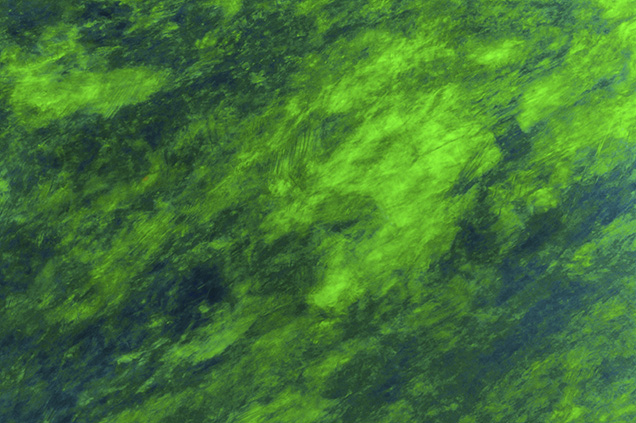
Inclusions in Natural, Treated, Synthetic, and Imitation Opal
Provides a visual guide to the internal features of natural, treated, synthetic, and imitation opal.
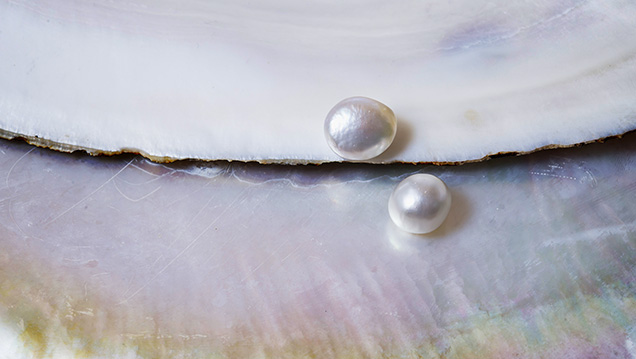
A Pearl Identification Challenge
Two pearls presented a unique challenge, as testing at three different gemological laboratories could not conclusively identify them as natural or cultured, determine a freshwater or saltwater growth environment, or specify the producing mollusk.
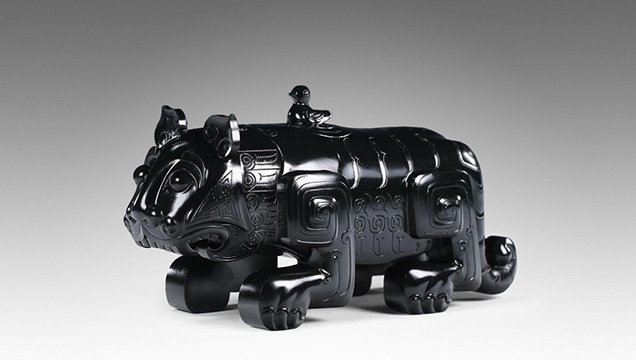
Black Nephrite Jade from Guangxi, Southern China
Characterizes black nephrite from a deposit in the Guangxi region that appears to be part of a large-scale jade formation belt in southern China.
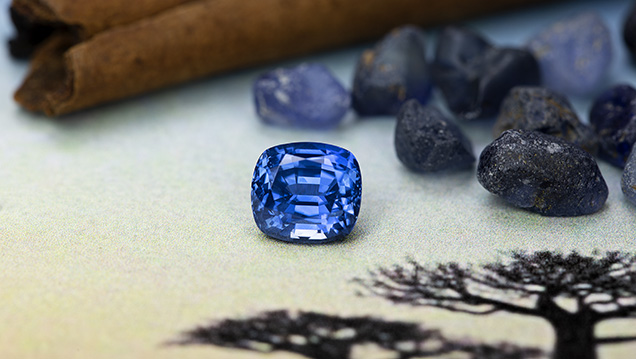
Madagascar Sapphire: Low-Temperature Heat Treatment Experiments
Shows how the color of Madagascar sapphire is lightened with heating to relatively low temperatures below 1350°C.