
Research Article Search Results
Pyrope-Almandine Garnet in Sapphire Host
The Bangkok laboratory recently identified a pyrope-almandine garnet in a sapphire host.

Purple Fluorite Inclusion in Emerald from Russia
Fluorite inclusions in emeralds from various localities have been reported extensively in the literature.

Mexican Opal with Large Fluid Inclusion
Although opals generally contain water in their structure, fluid inclusions large enough to be resolved with the microscope are rare; those that can be seen with the unaided eye are exceedingly rare.

Helical Inclusion in Colombian Emerald
A 7.54 ct natural emerald containing a 3D helical inclusion is examined by the Tokyo laboratory.

Curved Banding in Flame-Fusion Synthetic Sapphires
The appearance of curved banding under short-wave UV easily identifies flame-fusion synthetic sapphire.

Inclusion-Rich Black Topaz from the Thomas Mountains, Utah
Topaz is an important gemstone that occurs in various colors.
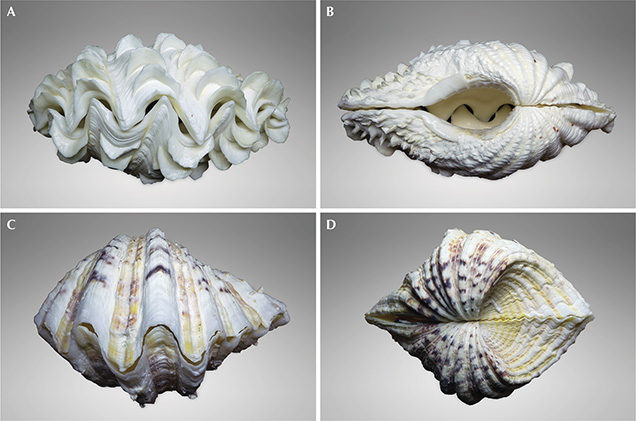
Evidence of Rotation in Flame-Structure Pearls from Bivalves of the Tridacnidae Family
A study of these pearls to characterize their distinctive flame structure and examine the possibility of rotation during their formation or growth.
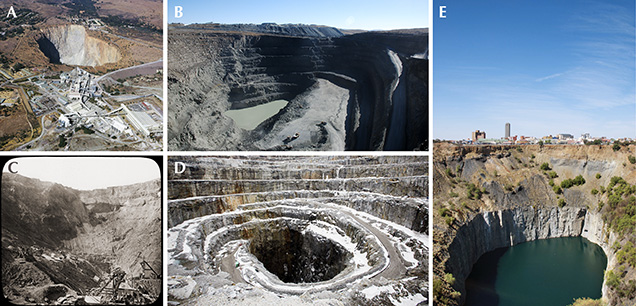
Kimberlites: Earth’s Diamond Delivery System
Examines the basic characteristics of kimberlites and their relationship with diamonds.
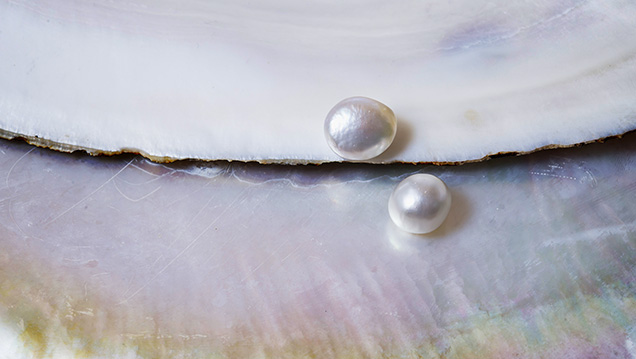
A Pearl Identification Challenge
Two pearls presented a unique challenge, as testing at three different gemological laboratories could not conclusively identify them as natural or cultured, determine a freshwater or saltwater growth environment, or specify the producing mollusk.
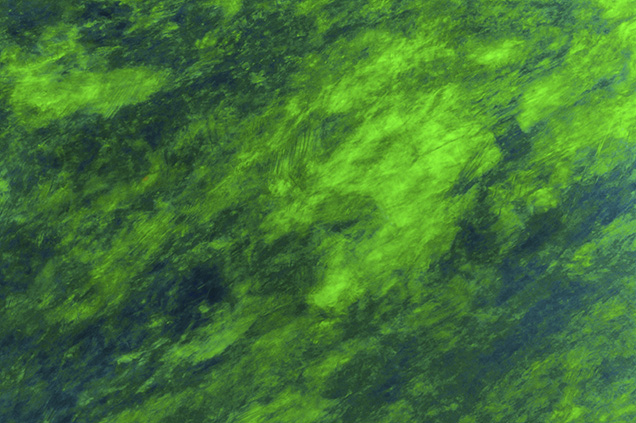
Inclusions in Natural, Treated, Synthetic, and Imitation Opal
Provides a visual guide to the internal features of natural, treated, synthetic, and imitation opal.
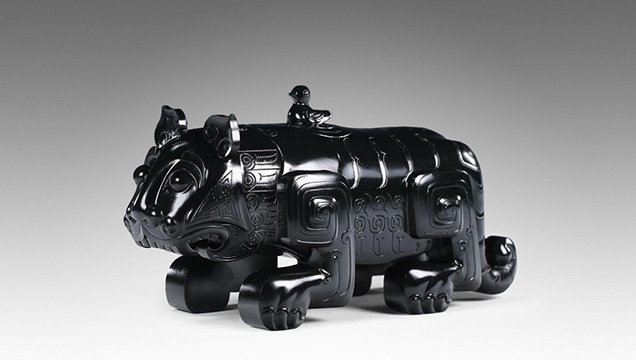
Black Nephrite Jade from Guangxi, Southern China
Characterizes black nephrite from a deposit in the Guangxi region that appears to be part of a large-scale jade formation belt in southern China.
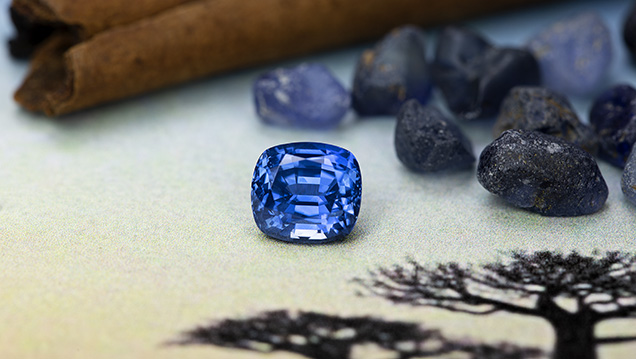
Madagascar Sapphire: Low-Temperature Heat Treatment Experiments
Shows how the color of Madagascar sapphire is lightened with heating to relatively low temperatures below 1350°C.