
Lapis Lazuli
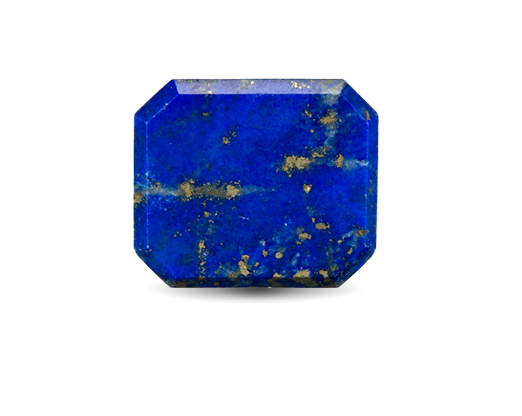
Lapis is a beautiful rock; an aggregate of several minerals, mainly lazurite, calcite, and pyrite.
BUYER'S GUIDE
The finest lapis has uniform bodycolor, free of visible pyrite and calcite. Lapis often contains varying amounts of whitish calcite matrix—the host rock—or flecks or veins of yellow pyrite, or both.
FIND A JEWELER
Use your zip code to find a jeweler near you with GIA reports and GIA-trained staff.
FIND A REPORT
Verify the information on your report matches what is archived in the GIA report database.
What To Look For
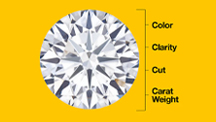
Color is the most important quality factor for lapis lazuli
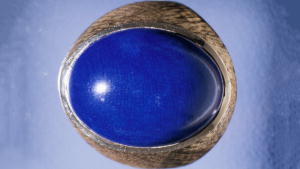
Variously described as indigo, royal, midnight, or marine blue, lapis lazuli’s signature hue is slightly greenish blue to violetish blue, medium to dark in tone, and highly saturated. In its most-prized form, lapis lazuli has no visible calcite, although it might have gold-colored pyrite flecks.
Clarity refers to lapis lazuli’s surface appearance
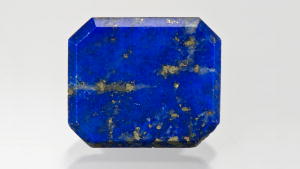
If the pyrite flecks are small and sprinkled attractively throughout the gem, their presence doesn’t necessarily lower lapis lazuli’s value. The lowest-quality lapis looks dull and green, the result of an excess of pyrite. Lapis with white calcite streaks is less valuable.
Cut possibilities include cabochons, beads, and carvings
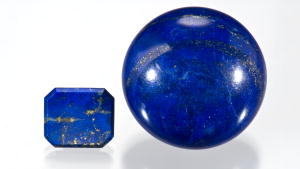
Lapis lazuli is often cut into cabochons, beads, and tablets. The gem has also been popular with carvers for centuries.
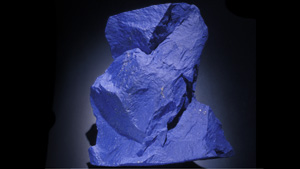
Carat weights for lapis span a wide range
This lapis lazuli specimen from Afghanistan, “The Owl,” weighs about 1 kilogram. Lapis is found in all sizes and is often cut into calibrated sizes or beads.
Lapis Lazuli Quality Factors: The Comprehensive Guide
Questions & Answers
FIND OUT MORE
Questions & Answers
CARING FOR YOUR LAPIS LAZULI
Keep your alexandrite beautiful by following simple care and cleaning guidelines.
DURABILITY

CARE AND CLEANING

TREATMENT
FIND OUT MORE
The Complete Guide on Caring for your Lapis lazuli