
GIA’s new jewelry verification service examines hundreds of jewelry pieces each day to determine the identity of the metals and mounted gemstones. Recently, the Carlsbad laboratory identified a method that might be used to deceive customers. Adding a layer of gold plating to a gold alloy affects the X-ray fluorescence (XRF) results, and depending on the thickness of the plating, false results can be obtained. XRF metal testing is one of the most reliable ways to analyze metal composition in the jewelry industry, and it can also detect thin plating when the top metal layer differs from the base layer. This method is unreliable, however, when a piece of metal is coated with the same element; therefore, visual observation under a microscope is essential to check for metal discoloration, plating damage, or previous destructive testing that exposes the base material.
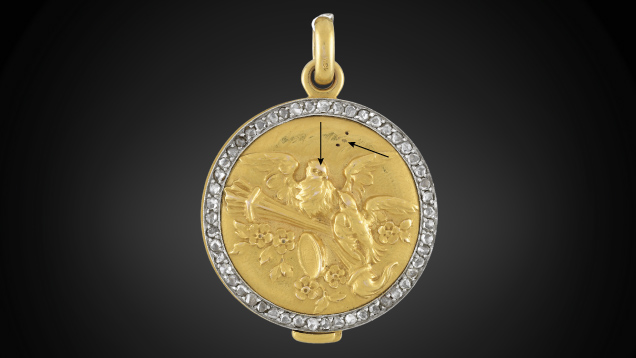
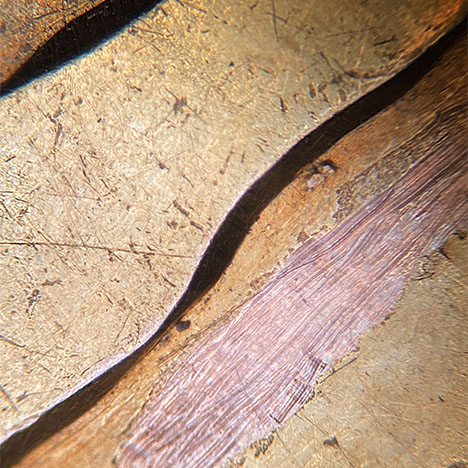
We have seen an abundance of gold items plated with gold. This practice is used to change the color of a rose or white gold piece to yellow (figure 1) or to revive the luster in a dull piece of thin yellow gold. Application of plating can be deceitful, as the practice can cause the XRF to determine an inaccurately high gold purity for a piece. For example, coating 10K gold with a precise amount of gold plating can alter the XRF results, identifying the alloy as 14K or 18K gold without detecting any of the plating (figure 2). This is particularly harmful to the consumer if the seller does not disclose this practice and sells alloys with a lower gold content than stated, especially with gold prices reaching all-time highs.
Carlos Bautista is an analytics technician at GIA in Carlsbad, California.
GIA’s new jewelry verification service examines hundreds of jewelry pieces each day to determine the identity of the metals and mounted gemstones. Recently, the Carlsbad laboratory identified a method that might be used to deceive customers. Adding a layer of gold plating to a gold alloy affects the X-ray fluorescence (XRF) results, and depending on the thickness of the plating, false results can be obtained. XRF metal testing is one of the most reliable ways to analyze metal composition in the jewelry industry, and it can also detect thin plating when the top metal layer differs from the base layer. This method is unreliable, however, when a piece of metal is coated with the same element; therefore, visual observation under a microscope is essential to check for metal discoloration, plating damage, or previous destructive testing that exposes the base material.
We have seen an abundance of gold items plated with gold. This practice is used to change the color of a rose or white gold piece to yellow (figure 1) or to revive the luster in a dull piece of thin yellow gold. Application of plating can be deceitful, as the practice can cause the XRF to determine an inaccurately high gold purity for a piece. For example, coating 10K gold with a precise amount of gold plating can alter the XRF results, identifying the alloy as 14K or 18K gold without detecting any of the plating (figure 2). This is particularly harmful to the consumer if the seller does not disclose this practice and sells alloys with a lower gold content than stated, especially with gold prices reaching all-time highs.
Carlos Bautista is an analytics technician at GIA in Carlsbad, California.