
Russell Shor, Senior Industry Analyst
Russell Shor, Senior Industry Analyst
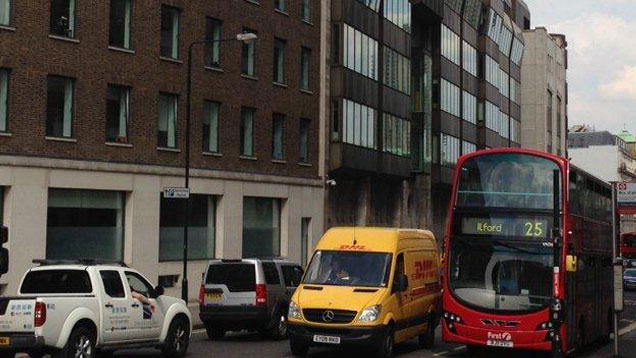
De Beers headquarters is located at 17 Charterhouse St., London. Photo by Russell Shor/GIA.
De Beers’ June 10-14 sight totaled about $585 million – nearly the same as May – with slightly lower prices by 2-3% on some categories of rough, mainly those that would polish out in the range of a quarter carat to 10 points. A number of sightholders refused these goods last month because they are more expensive than the resulting polished stone would realize in the market. The small price decrease did not enable manufacturers to turn a profit, so several clients again refused to take these goods.
De Beers’ clients, both manufacturers and rough dealers, bristled at the May price increase, which averaged just over 5%, because polished prices had been softening for several months, squeezing profitability. Dealers reportedly took a 3% or 4% loss on sight goods in May. They estimate this sight may break-even.
Polished prices have remained stable under extreme pressure because retailers in the U.S. and around the world have pushed hard against any attempt to raise them.
Las Vegas: After slow business at the Hong Kong and Basel fairs, Las Vegas offered some relief to diamond dealers and jewelry manufacturers, but prices remained static. A combination of a reviving economy in the U.S., a sharp decline in the price of gold and the low inventories of many U.S. retailers contributed to a better than expected show for many exhibitors.
Exhibitors at the high end Couture and Luxury shows reported strong business, but business was less consistently good in the main part of the show, particularly in the competitive area of the diamond pavilion and AGTA Gem Show.
Diamond people generally reported good demand, though many deals fell apart over price. Exhibitors who raised prices before the show met with strong resistance from buyers and intense competition from those who kept prices steady. Retailers are not willing to pay higher prices, especially when many of them, especially in the U.S., fill a portion of their diamond needs from second-hand sources at much lower prices. In addition, diamond companies have to bear the cost of holding higher inventories because the banks have been aggressively cracking down on memo deals and long payment terms that, at their peak, accounted for as much as 70% of U.S. diamond wholesale business.
The India diamond industry is dealing with profit drains because of the deterioration of the rupee exchange rate against the dollar, effectively raising rough prices (which are traded in dollars). The rupee hit a record low of 59 ($1) on June 12, a loss of about 10% in the past six weeks.
Colored gemstone demand in Las Vegas was quite strong with many dealers showing high-end pieces they had previously reserved for Basel or Hong Kong.
Exhibitors at the American Gem Trade Association pavilion noted that jewelry designers were looking for stones that would complement this year’s colorful fashion looks. Emeralds were particularly strong as was fancy color sapphire, untreated or only heat treated.
On the main floor, designers were creating bolder colored looks from large pieces of malachite, lapis and other inexpensive, opaque material. Amethyst and citrine were also popular for the same reason.
Exhibitors were also showing much more reconditioned second hand pieces, noting that they have become popular and are not items easily found on the Internet.
Russell Shor, Senior Industry Analyst
Russell Shor, Senior Industry Analyst
De Beers headquarters is located at 17 Charterhouse St., London. Photo by Russell Shor/GIA.
De Beers’ June 10-14 sight totaled about $585 million – nearly the same as May – with slightly lower prices by 2-3% on some categories of rough, mainly those that would polish out in the range of a quarter carat to 10 points. A number of sightholders refused these goods last month because they are more expensive than the resulting polished stone would realize in the market. The small price decrease did not enable manufacturers to turn a profit, so several clients again refused to take these goods.
De Beers’ clients, both manufacturers and rough dealers, bristled at the May price increase, which averaged just over 5%, because polished prices had been softening for several months, squeezing profitability. Dealers reportedly took a 3% or 4% loss on sight goods in May. They estimate this sight may break-even.
Polished prices have remained stable under extreme pressure because retailers in the U.S. and around the world have pushed hard against any attempt to raise them.
Las Vegas: After slow business at the Hong Kong and Basel fairs, Las Vegas offered some relief to diamond dealers and jewelry manufacturers, but prices remained static. A combination of a reviving economy in the U.S., a sharp decline in the price of gold and the low inventories of many U.S. retailers contributed to a better than expected show for many exhibitors.
Exhibitors at the high end Couture and Luxury shows reported strong business, but business was less consistently good in the main part of the show, particularly in the competitive area of the diamond pavilion and AGTA Gem Show.
Diamond people generally reported good demand, though many deals fell apart over price. Exhibitors who raised prices before the show met with strong resistance from buyers and intense competition from those who kept prices steady. Retailers are not willing to pay higher prices, especially when many of them, especially in the U.S., fill a portion of their diamond needs from second-hand sources at much lower prices. In addition, diamond companies have to bear the cost of holding higher inventories because the banks have been aggressively cracking down on memo deals and long payment terms that, at their peak, accounted for as much as 70% of U.S. diamond wholesale business.
The India diamond industry is dealing with profit drains because of the deterioration of the rupee exchange rate against the dollar, effectively raising rough prices (which are traded in dollars). The rupee hit a record low of 59 ($1) on June 12, a loss of about 10% in the past six weeks.
Colored gemstone demand in Las Vegas was quite strong with many dealers showing high-end pieces they had previously reserved for Basel or Hong Kong.
Exhibitors at the American Gem Trade Association pavilion noted that jewelry designers were looking for stones that would complement this year’s colorful fashion looks. Emeralds were particularly strong as was fancy color sapphire, untreated or only heat treated.
On the main floor, designers were creating bolder colored looks from large pieces of malachite, lapis and other inexpensive, opaque material. Amethyst and citrine were also popular for the same reason.
Exhibitors were also showing much more reconditioned second hand pieces, noting that they have become popular and are not items easily found on the Internet.