
按分类查看宝石
工具
Research
Reviewed
Peer Reviewed (10)
TOPICS
Color (7)
Optical Properties (2)
Cut (1)
See All Topics
Gemstones
Diamond (28)
Sapphire (22)
Pearl (20)
Emerald (18)
Ruby (15)
See All Gemstones
X Clear Selections

Classification of Gem Materials Using Machine Learning
Explores the application of several machine learning models to complement traditional gem classification approaches.

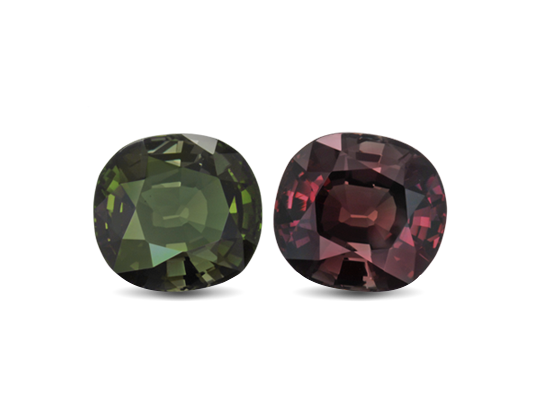
Bicolor Chrysoberyl with Chrysoberyl and Alexandrite Zones
The Tokyo laboratory reports on a submitted stone composed of both chrysoberyl and alexandrite.

Fluorite in Brazilian Alexandrite
An octahedral fluorite crystal is observed in Brazilian alexandrite.

“Kaleidoscope” in Alexandrite
Pleochroic colors caused by cyclic twinning produce a kaleidoscope effect in alexandrite.

“Kaleidoscope” in Alexandrite
Pleochroic colors caused by cyclic twinning produce a kaleidoscope effect in alexandrite.

The Geographic Origin Dilemma
An overview of the geographic origin complexities facing the gem and jewelry industry today.

Geographic Origin Determination of Alexandrite
The geographic source of this rare color-change gem has a significant impact on value. Trace element chemistry profiles allow GIA to accurately determine origin for alexandrite from several countries.

Field Gemology: Building a Research Collection and Understanding the Development of Gem Deposits
With more than 90 field expeditions on six continents since 2008, GIA has accumulated over 22,000 colored stone reference samples. This extensive collection of colored stones with known origins supports GIA’s research on geographic origin determination.

Guardians of Trust: GIA’s Innovative Research, Instruments and Services
GIA’s services and instruments have grown in importance and impact as new gem treatments and laboratory-grown gems enter the market.

Pleochroism and Color Change in Faceted Alexandrite: Influence of Cut and Sample Orientation
Shows how alexandrite’s color and color change are affected by cut and the orientation of table facets.
.jpg "YMAL GIA Ed")