
Studies on Tourmaline, Sapphire, Cultured Pearl, and a Reliquary of Legend…
An overview of the Spring 2019 Gems & Gemology content.
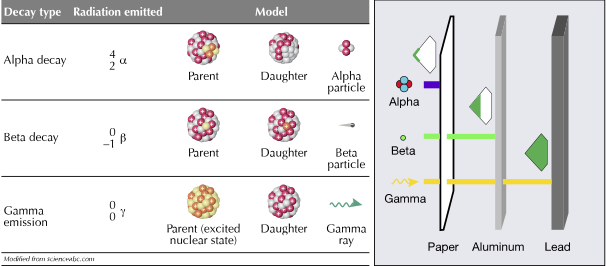
Diamonds from the Deep: How Old Are Diamonds? Are They Forever?
The age of something is fundamental. Humans, animals, wine, cars, and antiques are viewed and understood in the context of their age.
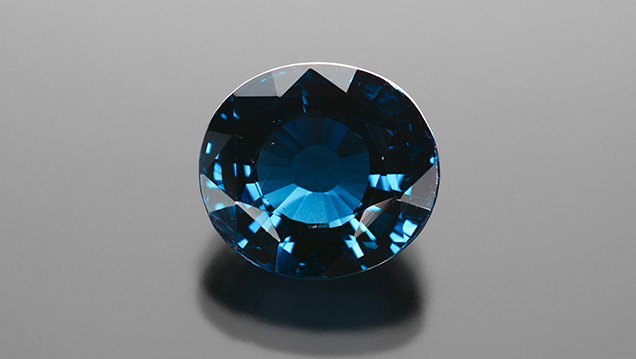
Large Faceted Gahnospinel
Advanced testing helps to identify the largest gahnospinel seen at any GIA laboratory.
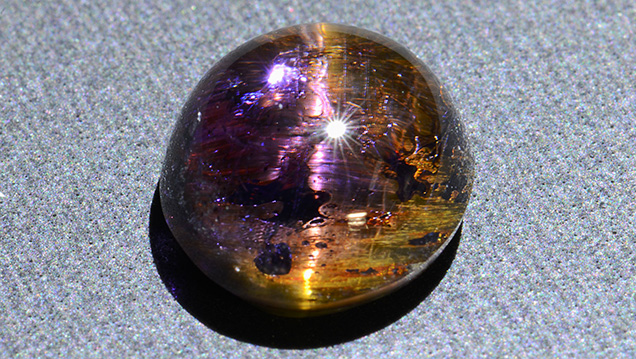
Chatoyant Quartz/Tourmaline Doublet
A unique doublet displaying a yellowish chatoyant sheen is examined by the Tokyo lab.
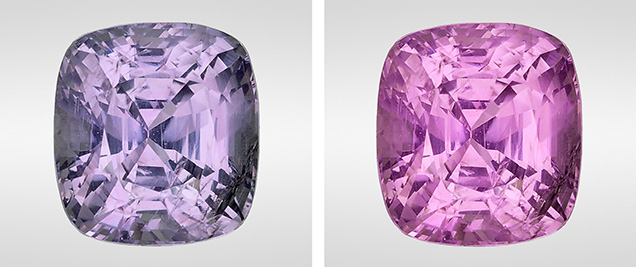
Low-Fe, High-V Color-Change Burmese Sapphire
The Carlsbad lab identifies a color-change Burmese sapphire with a unique chemistry profile.
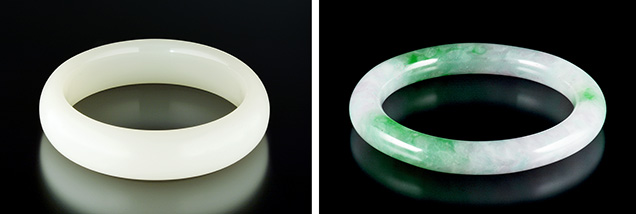
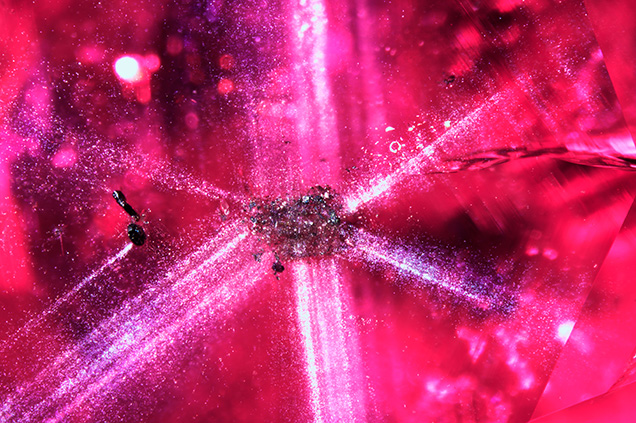
Trapiche-Like Ruby from the Batakundi Mine, Kashmir
Trapiche-like ruby from Kashmir shows a well-formed fixed six-rayed pattern.
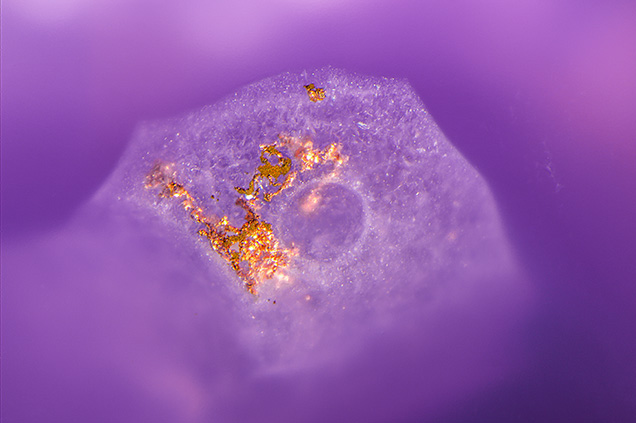
Native Copper Inclusions in Indonesian Purple Chalcedony
Indonesian purple chalcedony containing interesting native copper inclusions is a first for the Carlsbad lab.
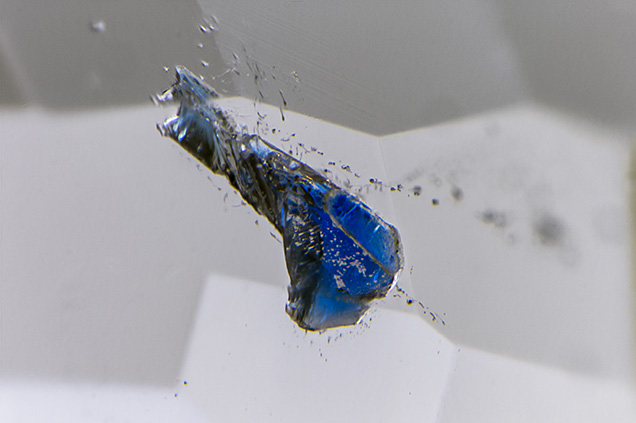
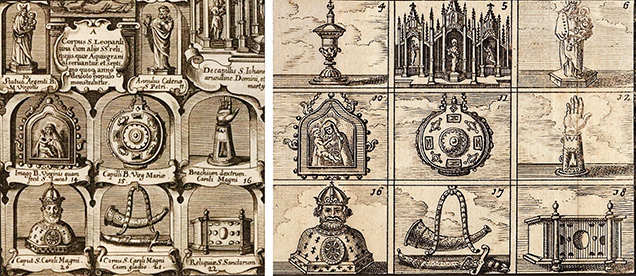
The Talisman of Charlemagne: New Historical and Gemological Discoveries
Reveals new details about this historical jewel and the results of its first gemological analysis.
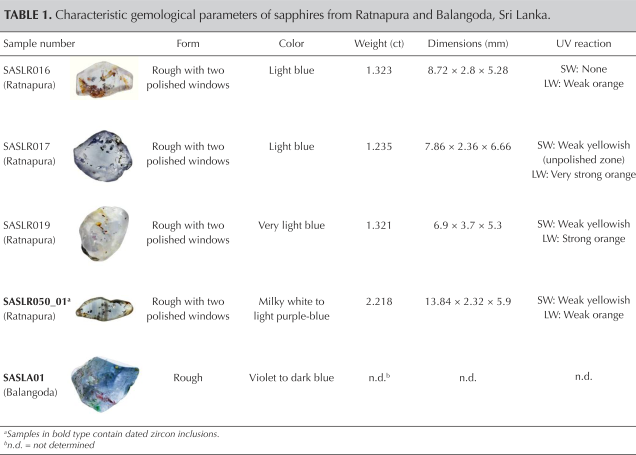
U-Pb Ages of Zircon Inclusions in Sapphires from Ratnapura and Balangoda (Sri Lanka) and Implications for Geographic Origin
Establishes a metamorphic origin for sapphire samples from these deposits, supported by their trace-element composition and inclusion characterization, including the age dating of zircon inclusions.
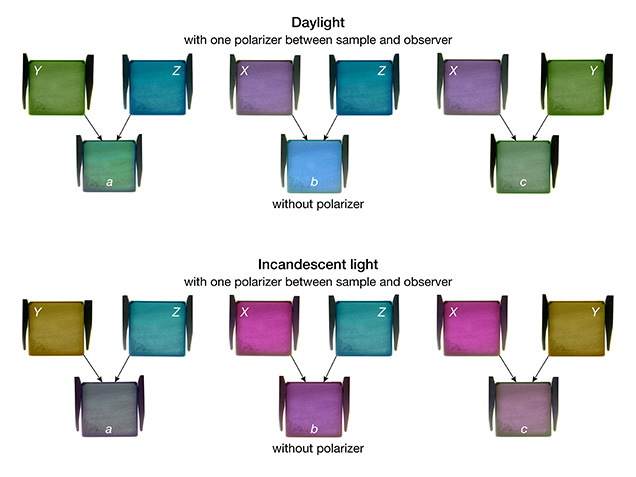
Pleochroism and Color Change in Faceted Alexandrite: Influence of Cut and Sample Orientation
Shows how alexandrite’s color and color change are affected by cut and the orientation of table facets.
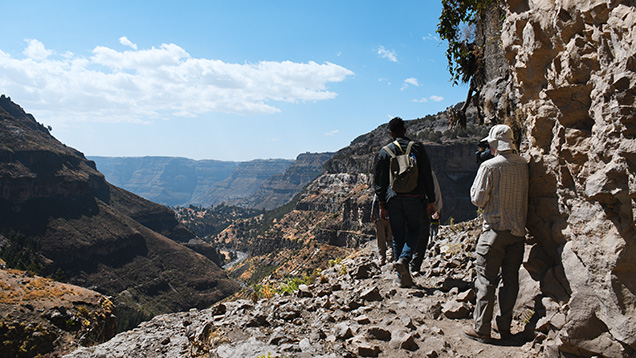
Land of Origins: A Gemological Expedition to Ethiopia
Documents a visit to the sapphire, opal, and emerald mining and trading areas of Ethiopia.
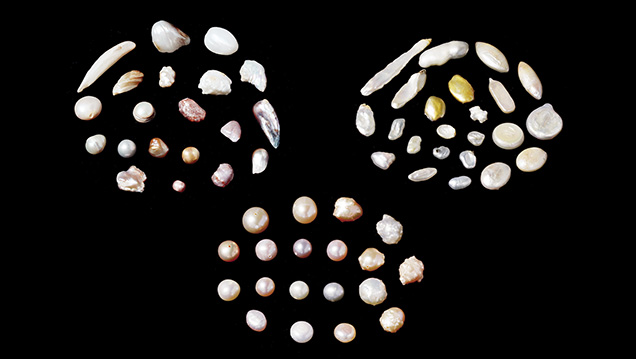
Provenance Discrimination of Freshwater Pearls by LA-ICP-MS and Linear Discriminant Analysis (LDA)
Investigates trace-element chemistry of freshwater natural pearls from North America and China with LA-ICP-MS and uses LDA to identify their origins.
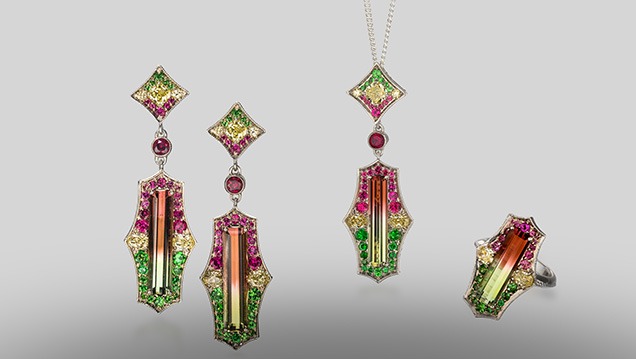
A New Method for Determining Gem Tourmaline Species by LA-ICP-MS
Presents a simplified but comprehensive classification of gem tourmaline species based on quantitative measurement of six common major elements.
Appendix 1: Comparison of LA-ICP-MS and EPMA Data, Part 1
Comparison of LA-ICP-MS and EPMA Data, Part 1
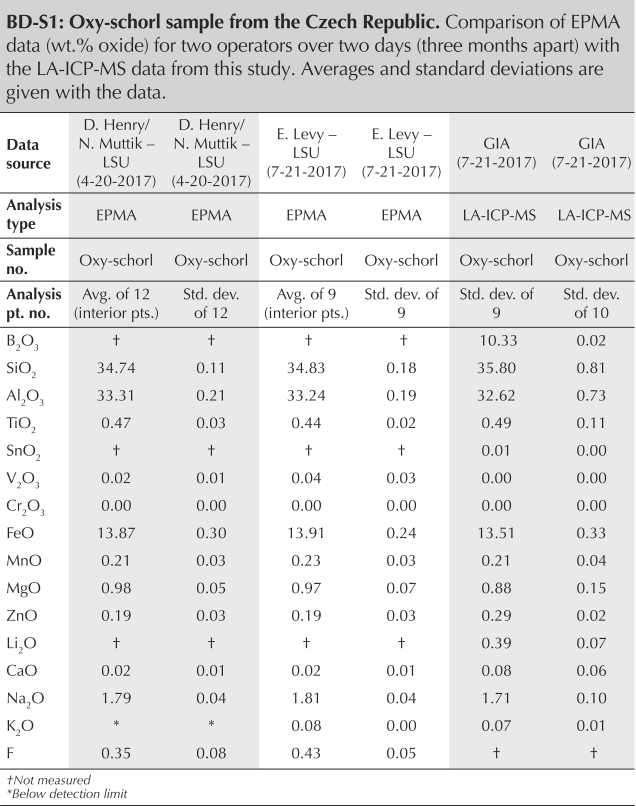
Appendix 2: Comparison of LA-ICP-MS and EPMA Data, Part 2
Comparison of LA-ICP-MS and EPMA Data, Part 2
Appendix 3: Calculation Method for Tourmaline Species Classification Used Here
Calculation Method for Tourmaline Species Classification Used Here
Appendix 4: Guideline for Simplified Distribution of Site Occupancy for LA-ICP-MS Data
Guideline for Simplified Distribution of Site Occupancy for LA-ICP-MS Data
Appendix 5: Simplified Tourmaline Species Classification for LA-ICP-MS Data
Simplified Tourmaline Species Classification for LA-ICP-MS Data
.jpg "YMAL GIA Ed")